How to Understand AI Basics: A Trend Forecaster's Guide
Learn how to understand AI basics, explore its diverse applications, and discover future trends shaping the landscape of modern technology today.

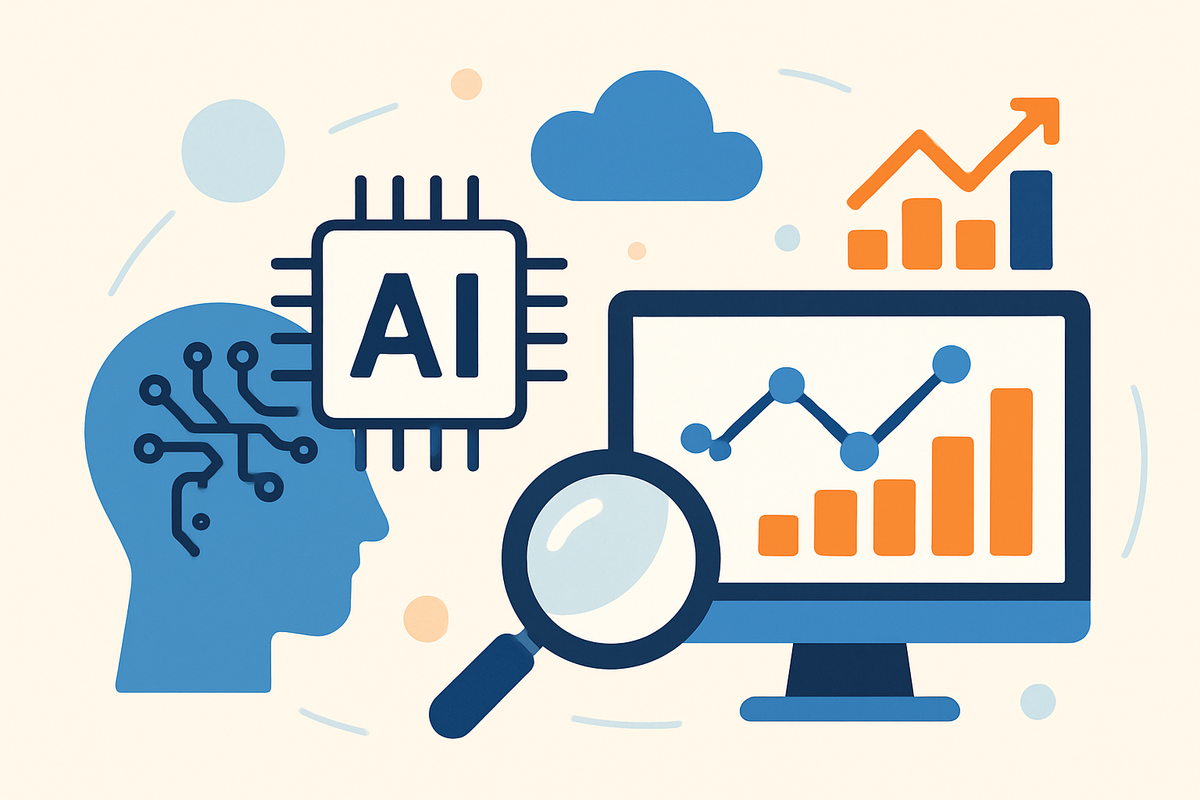
Understanding AI Basics
Understanding AI Basics
Understanding the AI Basics: A New Frontier
Artificial Intelligence (AI) is no longer just a buzzword; it's transforming how we interact with technology. The question many are asking is how to understand AI basics and what it means for the future of modern technology. As a trend forecaster, we dive into the core components of AI, its current applications, and its potential trajectory.
What is AI and How Does it Work?
Core Concepts of AI
Artificial Intelligence refers to machines or systems engineered to perform tasks requiring human-like intelligence. These tasks include learning from experiences, recognizing patterns, and decision-making with significant autonomy. At its core, AI is about creating technology that can think and act like humans.
Understanding AI basics involves grasping the concepts of algorithms and neural networks. Algorithms are step-by-step instructions that guide machines in problem-solving. Neural networks mimic the human brain's interconnected neuron structure to process information effectively.
AI systems are categorized into narrow AI, designed for specific tasks, and general AI, which remains largely theoretical. Narrow AI, such as voice assistants, performs designated tasks effectively, while general AI aims to exhibit human-like intelligence across various domains.
Machine Learning and Generative AI
Machine Learning (ML) is a subset of AI where models improve through experience. Generative AI, on the other hand, focuses on creating new content. Learning these basics can often start without heavy math, and accessible courses like Andrew Ng's AI for Everyone provide a great entry point.
- Machine Learning models analyze patterns and data.
- Generative AI produces text, images, or music.
- AI outputs are often probabilistic, meaning they involve some degree of uncertainty.
Delving into machine learning involves understanding supervised, unsupervised, and reinforcement learning. Supervised learning uses labeled data to train models, while unsupervised learning identifies patterns in unlabeled data. Reinforcement learning focuses on training models through a reward-based approach.
Generative AI is redefining creative industries by enabling machines to produce novel content. Technologies like GANs (Generative Adversarial Networks) allow AI to generate realistic images and art. This innovation holds potential for revolutionizing fields such as advertising and content creation.
AI Tools and Resources
To grasp AI fundamentals, practical practice with AI tools is essential. Start with beginner-friendly courses like Google AI Essentials. These resources offer hands-on experiences that help solidify understanding.
Leveraging AI tools requires familiarity with platforms such as TensorFlow and PyTorch. These tools provide essential frameworks for model development and deployment. Understanding how to use these resources is a crucial step in mastering AI basics.
AI communities and forums offer support and collaboration opportunities. Engaging in discussions and sharing projects can enhance learning. Platforms like Kaggle and AI Stack Exchange provide valuable insights and problem-solving assistance.
AI in Modern Technology
Applications Across Industries
AI's influence stretches across various industries, enhancing efficiency and innovation. It's found in healthcare, where it aids in diagnosing diseases, and in finance, optimizing trading strategies. Our AI in Everyday Life 2026 article explores these trends further.
In the automotive industry, AI powers autonomous vehicles, improving safety and convenience. AI algorithms process vast amounts of data from sensors to make driving decisions. This technology is gradually transforming urban transportation systems worldwide.
In retail, AI personalizes shopping experiences by analyzing consumer behavior. It assists in inventory management and demand forecasting, optimizing stock levels and reducing costs. Retailers harness AI to deliver tailored recommendations, enhancing customer satisfaction.
AI in Online Learning
AI also transforms education by personalizing learning experiences. It adapts content to student needs and provides real-time feedback. For more on this, visit AI in Online Learning 2026.
- AI enhances student engagement with interactive tools.
- It assists teachers by simplifying administrative tasks.
- AI tools facilitate remote education with personalized learning paths.
Adaptive learning platforms utilize AI to customize curriculum delivery. They assess student performance and modify content to address knowledge gaps. This approach fosters a more effective and personalized educational journey.
AI-driven analytics help institutions measure educational outcomes efficiently. By analyzing student data, universities can refine teaching strategies. This data-driven approach leads to improved student success and institutional performance.
AI's Role in Cybersecurity
The future of AI in cybersecurity is promising. It enhances threat detection and response times, making systems more robust. Learn more about these advancements in our Future of AI in Cybersecurity article.
AI tools can predict and prevent cyber threats by analyzing patterns. Machine learning algorithms identify anomalies and thwart potential attacks. This proactive approach strengthens the digital security landscape.
Automated threat responses are a significant advantage of AI in cybersecurity. AI can execute actions to mitigate risks without human intervention. This capability reduces response times and limits damage from attacks.
How to Understand AI Basics for the Future
AI Trends and Implications
As technology progresses, understanding AI basics is crucial for adapting to future trends. AI will continue to evolve, influencing how we interact with technology daily. Consider exploring our Basics of AI 2026 for deeper insights.
AI ethics and governance are becoming increasingly important as technology advances. Addressing bias and ensuring transparency in AI systems are critical challenges. Understanding these aspects is essential for responsible AI development and application.
The integration of AI and IoT (Internet of Things) is a growing trend. AI enhances IoT devices by enabling smarter data analysis and decision-making. This synergy promises to revolutionize industries, from smart homes to industrial automation.
Preparing for an AI-Driven World
Staying informed and adaptable is key. Engage with AI-centric courses and resources to keep pace with this rapidly evolving field. Google Skills offers a wide array of advanced AI courses for those ready to dive deeper.
Building proficiency in AI programming languages like Python is advantageous. Python's simplicity and versatility make it a preferred choice for AI projects. Acquiring these skills enhances employability in AI-related roles.
Networking with AI professionals and joining AI-focused communities can provide valuable insights and opportunities. Engaging with peers and experts helps in staying updated with the latest AI advancements and trends.
Future Prospects of AI
AI's Impact on Society
AI is poised to transform various aspects of society, from job markets to daily life. As AI technologies become more integrated, understanding AI basics will be essential for navigating these changes. The potential for AI to improve quality of life is immense, but it also requires careful consideration of ethical implications.
AI's role in automation is a double-edged sword. While it can increase efficiency and reduce costs, it also poses challenges to employment. Preparing for an AI-driven economy involves reskilling and upskilling the workforce to meet new demands.
The Role of AI in Environmental Sustainability
AI can play a significant role in promoting environmental sustainability. By optimizing resource usage and improving energy efficiency, AI technologies can contribute to reducing carbon footprints. Innovations such as AI-driven climate models and smart grids are paving the way for a more sustainable future.
AI applications in agriculture, such as precision farming, help in maximizing crop yields while minimizing environmental impact. These technologies enable better decision-making and resource management, supporting sustainable agricultural practices.
Conclusion
Understanding AI basics is crucial for anyone looking to thrive in an increasingly AI-driven world. By grasping the core concepts and staying informed about trends, individuals can better prepare for the future. For more insights on AI and its implications, explore our AI Future Trends 2030 article.