AI in Everyday Life 2026: Key Trends and Implications
Explore how AI in everyday life 2026 impacts 3.5 billion lives, enhancing tasks, healthcare, and education. Discover future trends and innovations.

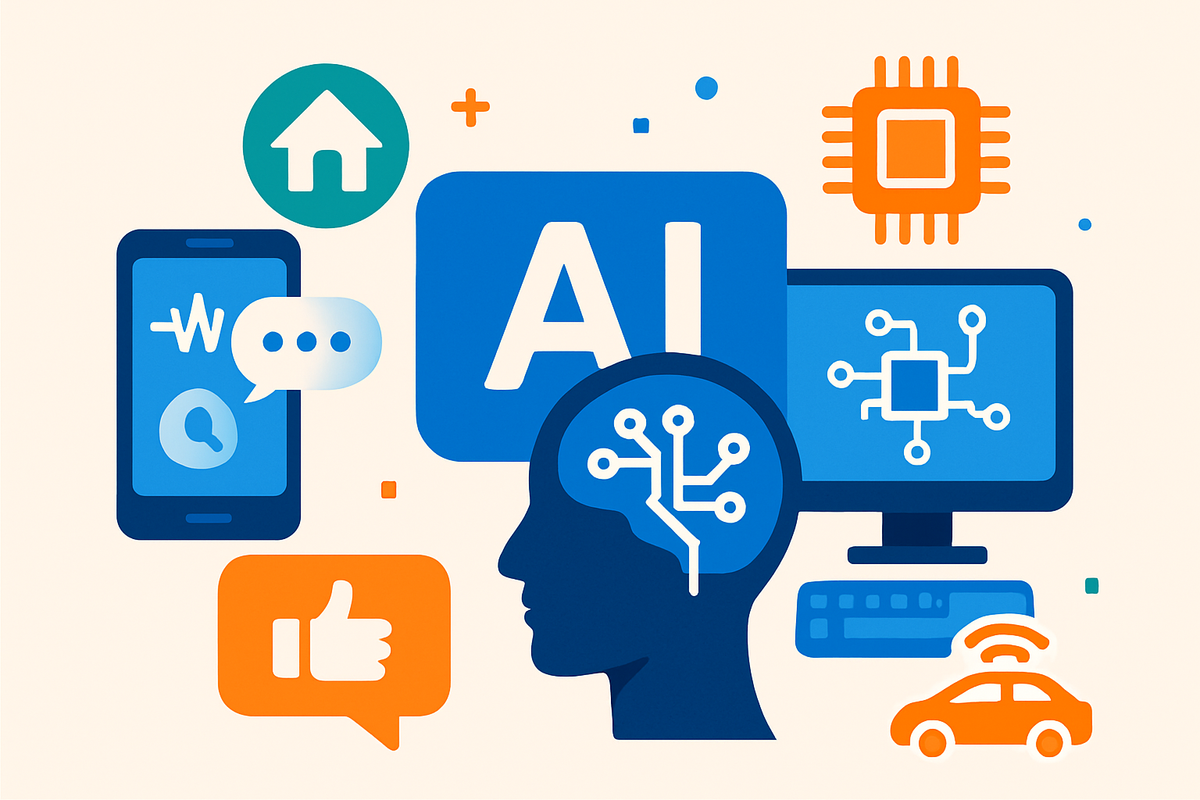
AI in Everyday Life 2026: Key Trends and Implications
AI in Everyday Life 2026: Expanding Impact
As we edge closer to 2026, the presence of AI in everyday life becomes increasingly undeniable. With AI affecting 3.5 billion lives daily, it's more than just a technological trend; it's a fundamental shift in how we interact with the world. From enhancing mundane tasks to revolutionizing healthcare and education, AI’s potential seems limitless.
Despite its benefits, this rapid integration poses challenges, especially for infrastructure teams. They find themselves swamped by tool sprawl while under pressure to adopt AI solutions. Understanding how to effectively harness AI's potential in our everyday routines is crucial.
AI is not merely a futuristic concept; it is an active agent in our lives today. The transition to more AI-driven interactions is profound, leading to significant shifts across industries. Each advancement in AI brings new opportunities to redefine processes, making them more efficient and tailored.
However, with opportunities come responsibilities. The need for robust strategies ensuring ethical AI use is becoming more apparent. Addressing concerns such as data privacy and user consent will be integral to AI’s sustainable growth. Stakeholders must work in unison to foster environments that promote trust and accountability.
AI Coding in Infrastructure as Code (IaC) and Pipeline Contexts
Streamlining with AI-Driven Tools
Infrastructure as Code (IaC) is transforming with AI coding tools like GitHub Copilot Enterprise. These tools, when paired with self-hosted GitLab runners, can operate within air-gapped environments, enhancing security without sacrificing efficiency. They provide smart suggestions and automate repetitive coding tasks, freeing engineers to focus on complex challenges.
AI-driven tools are also redefining coding standards. By offering real-time feedback, these tools help engineers adhere to best practices consistently. This ensures the development of high-quality, maintainable code, which is essential for long-term project success.
Moreover, the integration of AI in IaC allows for predictive maintenance. It analyzes code changes and predicts potential impacts, reducing the risk of bugs. This forward-thinking approach minimizes downtime and enhances system reliability, a crucial factor in fast-paced development environments.
AI-Assisted Terraform Modules
Terraform, a key player in IaC, benefits significantly from AI integration. AI-assisted modules can predict configurations, detect potential errors, and enforce best practices automatically. This not only accelerates deployment but also ensures higher reliability and consistency across infrastructures.
These AI modules bring an element of foresight to deployment strategies. By using historical data, they anticipate resource needs and adjust configurations in advance. This proactive management leads to optimized resource allocation, reducing costs and improving performance.
Additionally, AI in Terraform supports enhanced scalability. As infrastructure demands grow, AI modules can dynamically adapt to these changes. This adaptability is pivotal for organizations looking to maintain operational efficiency during periods of rapid growth.
Embedding Large Language Models in Operational Tooling
Ollama and LangChain within Kubernetes
The embedding of large language models (LLMs) such as Ollama within Kubernetes clusters can enhance operational tooling. These models can automate responses, manage logs, and optimize resource usage, making your cloud-native environments smarter and more resilient.
- LLMs can process and analyze logs faster.
- Automation of mundane operational tasks.
- Seamless integration with existing Kubernetes services.
The use of LLMs in Kubernetes also opens avenues for improved security monitoring. By analyzing patterns, these models detect anomalies that may indicate security threats. Early detection allows for swift response, minimizing potential damage and ensuring system integrity.
Furthermore, LLMs contribute to enhanced user interactions. They can offer personalized assistance and streamline processes, enhancing overall user experience. By understanding user intent, these models enable more intuitive and efficient interactions, fostering user satisfaction.
Automating Workflows with n8n
Tools like n8n can trigger retraining of AI models using platforms like Hugging Face when new data lands in storage solutions like MinIO. This ensures that AI models adapt quickly to new data inputs, maintaining accuracy and relevance over time.
Automation of workflows with n8n extends beyond model retraining. It facilitates seamless data integration between disparate systems, promoting a coherent data strategy. This connectivity enables organizations to derive deeper insights from their data pools.
Moreover, n8n enhances process automation by orchestrating complex workflows involving multiple applications. It reduces manual intervention, increasing efficiency, and allowing team members to focus on strategic tasks. This capability is vital for maintaining agility in rapidly changing business landscapes.
Infrastructure Implications: Challenges and Considerations
GPU Allocation in Shared Kubernetes Clusters
With AI workloads demanding substantial computational power, GPU allocation in shared Kubernetes clusters becomes critical. Optimizing resource sharing without compromising performance is a delicate balance infrastructure teams must master.
To address this, many organizations are turning to hybrid cloud models. These models blend on-premises resources with cloud-based services, offering greater flexibility and efficiency in GPU utilization. This approach ensures that computational needs are met without overprovisioning or incurring unnecessary costs.
Additionally, innovative scheduling algorithms are being developed to improve GPU utilization. These algorithms dynamically allocate resources based on workload demand, maximizing throughput and minimizing idle time. By leveraging these advancements, businesses can better manage their AI infrastructure.
Networking and Model Version Drift
Networking in Docker Compose setups needs thoughtful configuration to support AI model updates and prevent version drift. Keeping models updated while safeguarding data sovereignty requires securing API keys and ensuring robust access controls.
- Implement strict API key management.
- Regularly update AI models to prevent drift.
- Ensure compliance with data sovereignty regulations.
Effective network management also involves using advanced monitoring tools. These tools provide real-time insights into network performance, allowing for proactive adjustments. This ensures seamless model updates without disrupting service delivery or compromising security.
Collaborative efforts across departments are crucial to managing model versioning effectively. By fostering cross-functional teams, organizations can align IT and business objectives, ensuring that model updates are timely and aligned with strategic goals. This collaboration is key to maintaining a competitive edge in AI-driven markets.
Actionable Checklist for Evaluating AI Coding Tools
For tech leaders and engineers, evaluating AI tools involves several key steps:
- Assess tool compatibility with existing stack.
- Evaluate security features, especially in air-gapped environments.
- Analyze the ROI, considering both time saved and increased efficiency.
- Ensure tool support for continuous integration and delivery pipelines.
- Consider the learning curve and support available for rollout.
Adopting AI in everyday life 2026 demands a strategic approach, balancing innovation with practicality. By following this checklist, you can harness AI's potential while maintaining infrastructure integrity.
Ongoing training is essential to maximizing the benefits of AI tools. Regular workshops and resources help teams stay updated on the latest features and best practices. This commitment to continuous learning supports effective AI integration across the organization.
Moreover, engaging with the wider AI community can offer valuable insights. Networking with peers, attending conferences, and participating in forums provide opportunities to share experiences and learn from industry leaders. Such interactions can inform better tool selection and implementation strategies.
Looking Ahead: AI's Transformative Potential
The era of AI in everyday life 2026 showcases a world where technology acts as both a partner and a guide. As AI continues to enhance our capabilities, from simplifying daily tasks to empowering major sectors like healthcare and education, it will redefine daily interactions.
Now is the time for organizations to strategically integrate AI, prioritizing security and efficiency while remaining adaptable to future trends. By aligning AI initiatives with business goals, leaders can ensure a seamless transition into an AI-enhanced future. For more on how AI is shaping the future, explore our insights on How AI Benefits Modern Tech: Key Insights & Future Trends and The Future of AI in Cybersecurity: What to Expect in 2026.
The potential of AI is vast, but its realization hinges on careful planning and execution. Organizations that embrace AI with a forward-thinking mindset, prioritizing innovation while addressing ethical concerns, will lead the way. This strategic approach ensures that AI becomes an integral, positive force in future societies.
Engaging stakeholders from diverse backgrounds will facilitate the creation of inclusive AI solutions. By considering varied perspectives, AI developments can address a broader range of needs and challenges. This inclusivity will be vital to ensuring AI's widespread acceptance and success.