
AI Future Technology Predictions: Transforming Tomorrow
Discover AI future technology predictions and explore how AI is transforming our world, impacting technology and daily life in unprecedented ways.

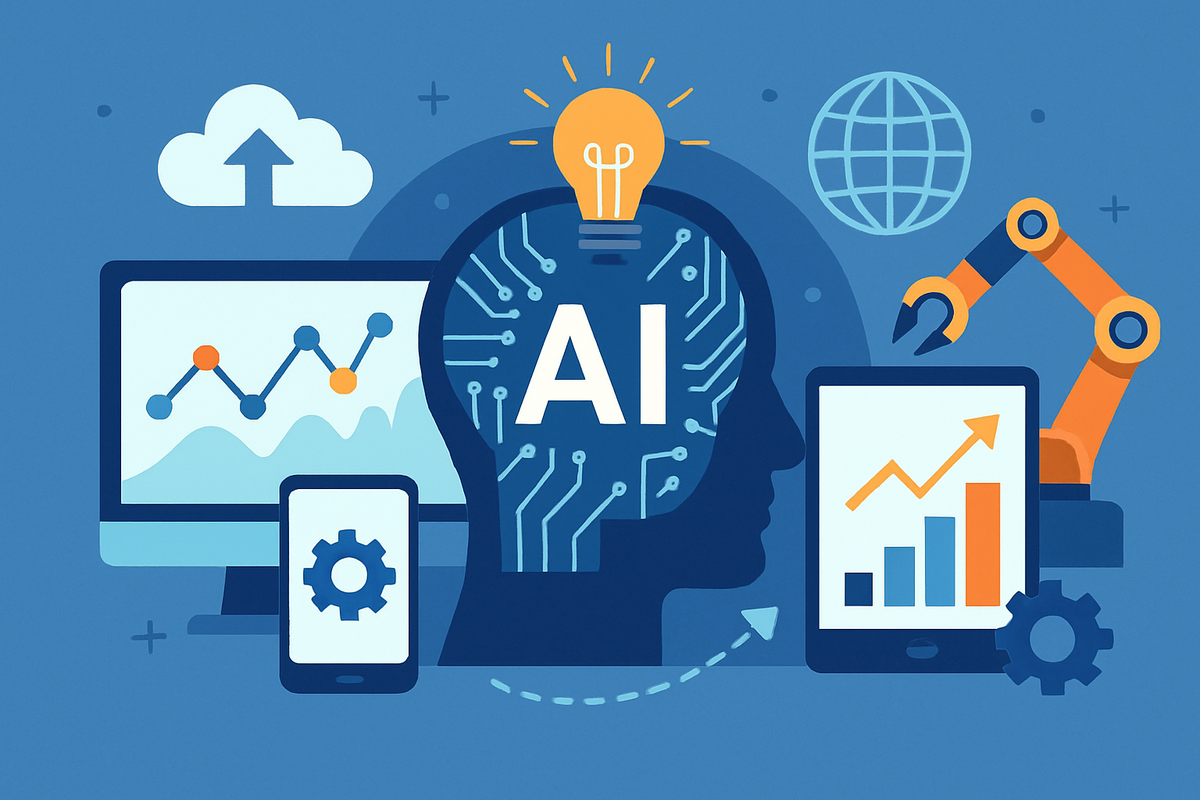
AI Future Technology Predictions
Opening: AI's Role in Shaping the Future
AI future technology predictions forecast a landscape where AI reshapes our world profoundly. AI, or artificial intelligence, refers to machines capable of performing tasks that typically require human intelligence. As businesses grapple with integrating AI effectively, it's crucial to distinguish practical uses from futuristic fantasies.
The Rise of AI in Infrastructure and Pipelines
AI coding, within Infrastructure as Code (IaC) and pipelines, is gaining traction. Tools like GitHub Copilot Enterprise, paired with self-hosted GitLab runners in air-gapped environments, exemplify AI's impact. These tools assist in writing code, offering suggestions and automation, thus enhancing productivity.
AI is revolutionizing how developers interact with infrastructure. By providing real-time feedback and automated solutions, AI reduces the time spent on debugging and maintenance. This allows developers to focus on more strategic tasks, driving innovation within teams.
Moreover, AI enhances collaboration across development teams. With shared AI-driven insights, teams can work more cohesively, ensuring that code quality and infrastructure reliability are maintained. This leads to more robust and dependable software delivery pipelines.
As organizations increasingly rely on AI, the demand for AI-specific infrastructure also rises. Companies are investing in specialized hardware such as GPUs to support AI workloads effectively. This investment ensures that AI applications run efficiently, delivering powerful insights without performance lags.
AI is also influencing the way pipelines are designed and managed. By integrating AI in continuous integration/continuous deployment (CI/CD) processes, companies can achieve faster deployment cycles. This integration reduces downtime and accelerates time-to-market for new features, enhancing competitive advantage.
Enhancing Terraform Modules with AI
AI can also assist in managing Terraform modules. By suggesting best practices and detecting inefficiencies, AI tools streamline infrastructure management, making deployments smoother and more efficient.
- Automated code review to enforce standards
- Intelligent suggestions based on usage patterns
- Error prediction and troubleshooting
AI tools can tailor recommendations based on specific environments, ensuring deployments are optimized for unique requirements. This personalized approach can significantly reduce deployment errors and enhance performance.
Integration of AI in Terraform module management leads to more sustainable infrastructure practices. By monitoring resource usage and suggesting optimizations, AI tools help reduce unnecessary expenditure, aligning IT practices with business goals.
Moreover, AI-driven insights can predict potential future infrastructure needs. This foresight allows organizations to proactively scale their resources, preventing bottlenecks and ensuring high availability. Efficient resource management is crucial for maintaining service reliability and customer satisfaction.
Through continuous learning, AI tools can adapt to changes in infrastructure requirements. As environments evolve, AI keeps the infrastructure aligned with current and future business strategies. This dynamic adaptability ensures that the infrastructure remains resilient and efficient over time.
Embedding Large Language Models in Operations
Large Language Models (LLMs) like Ollama and LangChain are being embedded into operational tools. For instance, in Kubernetes environments, they assist in automating workflows and decision-making processes.
These models analyze vast datasets, providing actionable insights that empower decision-makers. By understanding patterns and anomalies, LLMs enhance the strategic capabilities of organizations, allowing for more informed and timely decisions.
Furthermore, LLMs can streamline communication across departments. By interpreting and organizing information efficiently, they ensure that stakeholders at every level have access to relevant data, improving operational transparency.
The integration of LLMs into operations is transforming business processes. By automating routine tasks, LLMs free up valuable human resources for strategic initiatives. This shift allows organizations to focus on innovation and growth rather than administrative burdens.
LLMs also enhance customer interactions by providing personalized support and insights. By analyzing customer data, these models can tailor experiences, improving satisfaction and loyalty. This personalized approach is becoming a key differentiator in competitive markets.
Using n8n Workflows for Automation
By integrating n8n workflows, teams can trigger processes like retraining machine learning models through platforms like Hugging Face when new data lands in storage solutions such as MinIO. This automation ensures models remain current without manual intervention.
n8n's flexibility allows for the seamless integration of diverse tools and platforms. This ensures that data is processed and utilized in the most efficient manner possible, reducing latency and improving overall system responsiveness.
Automation with n8n also reduces the risk of human error. By handling repetitive tasks reliably, it frees up human resources to focus on strategic development and innovation, enhancing the organization's competitive edge.
Moreover, n8n's visual workflow editor simplifies automation for non-technical users. This accessibility encourages departments to optimize their processes independently. Empowering teams to automate tasks autonomously fosters a culture of innovation and efficiency.
As workflows become increasingly complex, n8n provides robust monitoring and logging features. These tools help teams quickly identify and resolve issues, ensuring uninterrupted operation. Effective monitoring is essential for maintaining high performance and reliability in automated systems.
Implications for Infrastructure
Adopting AI requires rethinking current infrastructure. GPU allocation in shared Kubernetes clusters is a prime concern, as is networking in Docker Compose configurations. Ensuring efficient resource use while maintaining scalability is key.
Effective AI integration demands a proactive approach to resource management. This includes prioritizing tasks, optimizing hardware usage, and ensuring that systems can scale in response to increased demand without degradation in performance.
As AI systems become more prevalent, organizations must also consider energy consumption. Sustainable practices, such as utilizing renewable energy for data centers, can mitigate the environmental impact, supporting corporate responsibility initiatives.
Managing infrastructure costs is another critical consideration. Organizations must balance advancing AI capabilities with cost-effective resource allocation. Strategic planning and budgeting are vital to maintain financial sustainability while supporting AI innovation.
Moreover, organizations must ensure their infrastructure supports real-time data processing for AI applications. High-speed networks and robust data storage solutions are essential. Investing in these areas guarantees optimal performance and responsiveness, meeting both current needs and future demands.
Addressing Model Version Drift and Security
Model version drift, where model performance degrades over time, is a critical issue. Regular updates and retraining are necessary. Additionally, securing API keys and ensuring data sovereignty are paramount in protecting infrastructure integrity.
- Regularly update AI models to prevent drift
- Securely manage and rotate API keys
- Ensure compliance with data sovereignty regulations
Data security protocols must evolve alongside technological advancements. By deploying adaptive security measures, organizations can stay ahead of potential threats, ensuring the integrity and confidentiality of their data systems.
Emphasizing a culture of security awareness within teams can also fortify infrastructure. Continuous training and updates on best practices help maintain vigilance against security breaches, fostering a secure environment for AI deployment.
As AI technology develops, regulatory compliance becomes increasingly complex. Organizations must stay informed about evolving laws and adapt their practices accordingly. Failing to comply with regulations could result in legal penalties and damage to reputation.
Collaborating with legal experts can help organizations navigate the complexities of data protection and privacy laws. By proactively managing compliance, companies can reduce regulatory risks and build trust with stakeholders. This proactive approach reinforces the company's commitment to responsible AI use.
Frequently Asked Questions
What are AI future technology predictions?
They are forecasts about AI's potential impact on technology and society, highlighting upcoming trends and challenges.
How does AI contribute to smart infrastructure?
AI automates and optimizes infrastructure management, enhancing efficiency and predictive capabilities within tech stacks.
What role do LLMs play in business operations?
LLMs support decision-making and automation, helping businesses analyze data and automate processes effectively.
How can AI tools enhance coding practices?
AI tools like GitHub Copilot provide coding suggestions, automate routine tasks, and improve code quality through insights.
What are the main challenges of integrating AI into infrastructure?
Challenges include managing resource allocation, ensuring data security, addressing model drift, and complying with data regulations.
Moving Forward: Integrating AI in Your Tech Stack
To effectively leverage AI future technology predictions, organizations need a strategic evaluation of AI tools. This involves assessing compatibility with current infrastructure, cost implications, and potential returns. It's time to embrace AI's transformative power and prepare for a more intelligent future.
Strategic implementation of AI requires collaboration across departments. By fostering a culture of innovation and interdisciplinary cooperation, companies can navigate the complexities of AI integration more successfully.
Continual learning and adaptation will define successful AI adoption. Organizations must remain flexible, allowing their AI strategies to evolve alongside technological advancements, ensuring sustainable growth and competitiveness.
AI Technology Overview for Beginners: A Guide to the Future, AI Technology Impact Analysis: Evaluating Future Trends.