Understanding AI for Non-Experts: A Trend Forecaster's Insight
Understanding AI for non-experts: Explore how AI transforms technology and influences future trends in this comprehensive guide for curious minds.

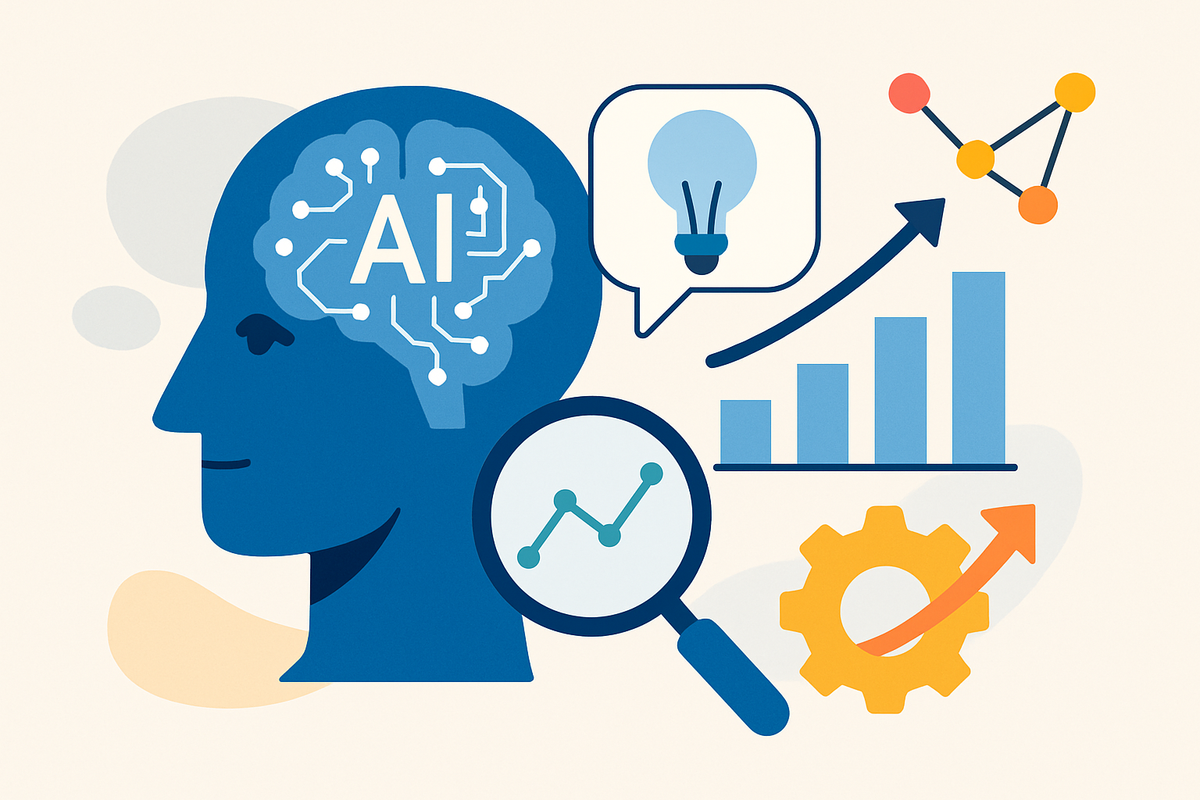
Understanding AI for Non-Experts: A Trend Forecaster's Insight
Understanding AI for Non-Experts: A Trend Forecaster's Insight
Artificial Intelligence (AI) is not just a buzzword; it's a technological trend shaping the future. For tech enthusiasts trying to keep pace, understanding AI for non-experts is crucial. This article explores AI's applications, implications, and emerging trends.
Understanding AI for Non-Experts: The Basics
AI refers to systems that mimic human intelligence to perform tasks like recognizing speech, making decisions, and translating languages. This technology includes machine learning, which helps solve complex problems by finding patterns in data. AI outputs are probabilistic, providing likely outcomes rather than certain ones.
Core AI Concepts
To understand AI, grasp these key concepts:
- Machine Learning: Algorithms that improve through experience.
- Natural Language Processing: Understanding and generating human language.
- Computer Vision: Interpreting visual information from the world.
AI technologies are designed to perform tasks traditionally requiring human intelligence. This includes learning from data, recognizing patterns, and making complex decisions. Understanding these concepts helps demystify AI for non-experts.
Machine learning, a subset of AI, is particularly transformative because it allows systems to improve over time. By analyzing vast amounts of data, machine learning algorithms enhance their decision-making abilities significantly. This ongoing learning process is central to understanding AI's potential.
Natural Language Processing (NLP) allows machines to comprehend and communicate in human languages. NLP applications range from chatbots to language translation services, bridging communication gaps. As NLP evolves, it becomes more sophisticated, allowing for more nuanced interactions with AI systems.
AI's main goal is to simulate cognitive abilities like learning and problem-solving. For those new to AI, Andrew Ng's 'AI for Everyone' course on Coursera is an excellent starting point.
How AI is Integrated into Daily Technology
AI's reach extends across many aspects of daily technology. From smartphones to smart homes, AI optimizes user experiences and enhances technological functionalities. For instance, voice assistants like Siri and Alexa leverage AI for natural language processing.
Everyday AI Applications
Consider these examples of AI in everyday tech:
- Smart Assistants: Manage tasks through voice commands.
- Recommendation Systems: Suggest products based on user behavior.
- Security: Recognize unauthorized access using facial recognition.
Smart assistants have become integral to many households, providing hands-free control over various devices. They streamline daily tasks, from setting reminders to controlling home temperatures. As AI technology advances, these assistants become more intuitive and responsive.
Recommendation systems have revolutionized how we shop, listen to music, and consume media. By analyzing user behavior, they provide personalized experiences that keep us engaged. These systems highlight AI's ability to enhance user satisfaction and drive consumer habits.
AI applications continue to grow, making technology smarter and more intuitive. For more on this, refer to Exploring AI Applications in Daily Tech: Impact and Future.
In the realm of security, AI technology offers robust solutions for protecting personal and organizational data. Facial recognition and other biometric systems provide advanced security measures. These innovations highlight AI's crucial role in maintaining privacy and security standards.
AI’s Impact on Future Technology
AI is set to transform technology's future landscapes. From autonomous vehicles to personalized medicine, the potential is vast. Non-experts should focus on how AI might influence their fields and everyday lives.
Emerging AI-Driven Innovations
Here are a few areas AI is revolutionizing:
- Healthcare: Predictive diagnostics and personalized treatment plans.
- Transportation: Self-driving cars and traffic management.
- Finance: Fraud detection and financial advisory services.
In healthcare, AI enables more accurate diagnoses and customized treatment options, enhancing patient outcomes. Predictive analytics anticipate health issues, allowing for preemptive care. Such innovations showcase AI's ability to save lives and optimize healthcare delivery.
The transportation sector is undergoing a major transformation with AI advancements. Autonomous vehicles promise to reduce accidents and improve traffic flow. As these technologies develop, they will redefine commuting and transportation norms worldwide.
As AI evolves, staying informed on these transformations is key. Discover more in How AI Affects Future Technology: Transformations on the Horizon.
Financial institutions are leveraging AI to detect fraudulent activities and offer tailored financial advice. AI-driven analytics help in understanding market trends and risk management. The finance industry exemplifies how AI can enhance decision-making and foster economic stability.
The Ethical Considerations of AI
While AI brings innovation, it also raises ethical questions. Issues like data privacy, algorithmic bias, and job displacement need careful consideration. Understanding these challenges helps anticipate AI's societal impact.
Navigating AI Ethics
Consider these ethical aspects:
- Privacy: Ensuring data used by AI is protected.
- Bias: Preventing prejudices embedded in algorithms.
- Employment: Balancing automation with workforce needs.
Data privacy remains a significant concern as AI systems require vast amounts of personal data. Protecting this data while leveraging it for AI advancements is crucial. Policymakers and technologists must collaborate to create frameworks ensuring data security.
Algorithmic bias can perpetuate existing social inequalities and create unfair outcomes. Developers need to ensure that AI systems are impartial and reflect diverse inputs. Continuous monitoring and adjustments are necessary to mitigate these challenges.
Engaging with these topics is crucial for responsibly moving forward with AI technology. The impact on employment is another critical consideration, as automated systems replace certain jobs. Reskilling the workforce and adapting to new job roles are essential strategies to mitigate job displacement.
Assessing AI for Your Needs: A Checklist
Before adopting AI tools, evaluate their fit for your needs. This checklist can guide your decision-making:
- Define clear objectives for AI integration.
- Assess the potential impact on current workflows.
- Consider ethical implications and data handling practices.
- Stay informed about emerging AI trends and technologies.
- Explore Best AI Tools for Beginners: Start Your Tech Journey to find suitable tools.
Effective AI integration requires setting realistic and achievable goals. Clearly defined objectives ensure that AI tools align with your overall strategy. This foresight maximizes the benefits AI can offer to your organization.
Understanding the effects of AI on existing workflows is crucial. Evaluate how AI solutions can streamline operations or introduce new efficiencies. This analysis helps prevent disruptions and identifies areas where AI can create the most impact.
Evaluating AI tools thoughtfully ensures they enhance rather than hinder your tech stack. Ethical considerations should be part of the decision-making process, as responsible AI use is imperative for long-term success. By keeping abreast of AI advancements, organizations can continuously adapt and thrive.
Moving Forward: Embrace AI's Transformative Power
As AI continues to evolve, it’s essential to stay informed and adaptable. Understanding AI for non-experts is not just about learning the basics but preparing for a future where AI is integral to technology. Stay curious, stay informed, and embrace the change AI brings.
The journey of understanding AI is a continuous learning process. It involves not only grasping technological advances but also considering their broader implications. By staying engaged, individuals and organizations can leverage AI's full potential responsibly and effectively.
For more insights, read Guide to AI in Modern Tech: The Future Unveiled. As AI becomes more prevalent, fostering an inclusive dialogue around its benefits and challenges will shape its trajectory. Embracing AI's transformative power requires collaboration, education, and a commitment to ethical innovation.