Exploring AI Applications in Daily Tech: Impact and Future
Discover AI applications in daily tech, from digital assistants to personalized shopping, and what they mean for our future.

AI Applications in Daily Technology
AI Applications in Daily Technology: Transforming Our World
AI's Integration in Our Technological World
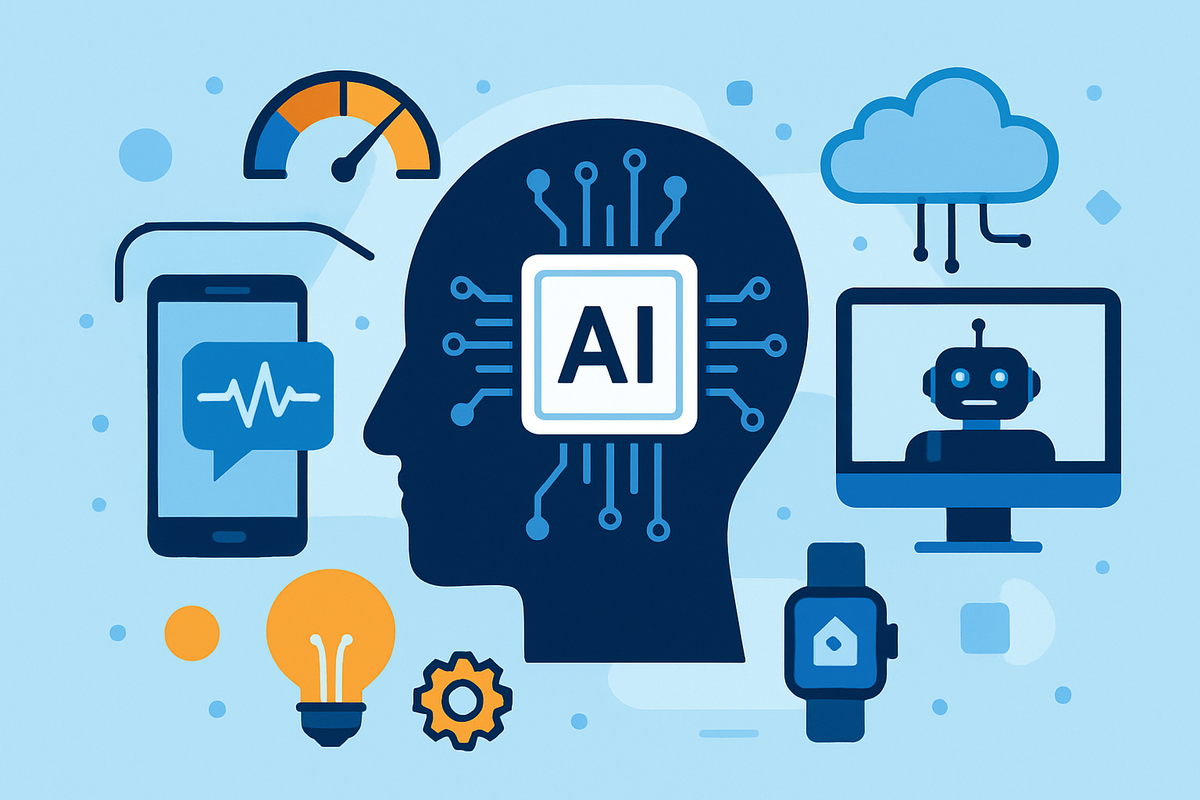
AI applications in daily tech are no longer a futuristic concept; they are a reality reshaping our everyday lives. From digital assistants and healthcare to transportation and entertainment, AI is embedded in the very fabric of our routines. For technology enthusiasts and professionals alike, understanding these applications and their implications is crucial in anticipating future trends.
Understanding AI Applications in Daily Technology
Digital Assistants and Voice Recognition
AI powers digital assistants like Siri and Alexa, making them capable of understanding and responding to voice commands. These assistants help manage schedules, control smart home devices, and answer questions, becoming indispensable in many households.
The development of natural language processing has significantly improved these assistants' ability to understand context. This enhancement allows them to execute complex tasks and even hold brief conversations. As AI in voice recognition evolves, we can expect more intuitive interactions, reducing the reliance on manual input.
Integration with other services is a key feature of digital assistants, streamlining everyday activities. They can connect with calendars, email, and even social media, providing a unified user experience. This interoperability positions digital assistants as central hubs in the smart ecosystems of the future.
Smart Home and IoT
AI technology is making smart homes truly intelligent. Devices learn user preferences to optimize energy use, enhance security, and offer personalized experiences. The Internet of Things (IoT) integrates with AI to create seamless, automated environments.
- Voice-controlled lighting and thermostats
- Security systems with facial recognition
- Refrigerators that suggest recipes based on stored items
Artificial intelligence in smart homes extends beyond convenience, contributing to sustainability. By optimizing energy use, AI reduces waste and lowers utility costs. These smart systems can adapt to the household's rhythm, automatically adjusting settings when detecting occupancy changes.
The integration of AI and IoT in home security has revolutionized safety measures. Advanced systems can differentiate between residents and intruders, triggering alerts and automating responses. This proactive approach ensures a higher level of protection and peace of mind.
Customization is a significant advantage of AI in smart homes, allowing residents to tailor functionality to their unique needs. Systems can be configured to adjust lighting, temperature, and entertainment settings based on time of day or user mood. This level of personalization enhances comfort and improves the overall living experience.
AI's Role in Search Engines and Social Media
Search engines like Google use AI to refine search results based on user behavior and preferences. Social media platforms employ algorithms for content curation, ensuring users see more relevant posts and ads.
Personalized User Experience
AI enhances social media by analyzing user data to personalize content in news feeds, suggesting friends, and even filtering inappropriate content. This personalized approach keeps users more engaged.
- AI-driven content recommendations
- Behavior-based ad targeting
- Spam and fake news detection
Personalization in social media through AI leads to more relevant and engaging user experiences. Algorithms analyze interactions and preferences to display content that aligns with user interests. This tailored approach increases user satisfaction and time spent on platforms.
AI-driven targeting strategies have transformed advertising on social media. By understanding user behavior, platforms deliver ads that resonate with individual preferences. This precision targeting maximizes ad effectiveness, providing higher returns for advertisers.
The use of AI in moderating content ensures safer online environments. Systems can automatically detect and remove harmful or misleading content, maintaining platform integrity. This capability supports healthier user interactions and fosters trust in digital communities.
AI in Online Shopping and Consumer Services
Personalized Shopping Experiences
Retailers use AI to analyze customer data, providing personalized recommendations and dynamic pricing. This creates a tailored shopping experience that increases customer satisfaction and sales.
AI chatbots offer customer support, handling inquiries and complaints efficiently without human intervention. This streamlines the customer service process and reduces operational costs.
AI's role in personalizing shopping experiences extends to predictive analytics. By examining past purchases, systems predict future buying behavior and stock products accordingly. This foresight helps retailers meet demand and optimize inventory management.
Virtual fitting rooms powered by AI are enhancing the online shopping experience. Shoppers can visualize clothing fit and style through augmented reality, reducing returns. This innovation bridges the gap between online and in-store shopping, increasing customer confidence.
Automated customer interactions via AI chatbots improve service efficiency. These bots can handle multiple queries simultaneously, providing instant support. This capability frees human agents for more complex issues, improving overall service quality.
Enhancing Transportation and Operational Efficiency
Autonomous Vehicles
AI is at the heart of autonomous driving technology, optimizing traffic management and reducing accidents. AI systems evaluate real-time data from sensors to navigate roads safely.
The development of autonomous vehicles through AI involves complex algorithms that process vast amounts of data. These vehicles continuously learn from the environment, improving their accuracy and safety. This technology promises to revolutionize transportation, offering a glimpse into a future with fewer road incidents.
AI's integration into transportation systems extends beyond self-driving cars. It enhances public transit by predicting demand and optimizing routes. This efficiency benefits passengers with reduced wait times and improved service reliability.
Fleet management also sees significant improvements with AI applications. Companies use AI to schedule maintenance, predict vehicle downtime, and optimize routes. These advances ensure more efficient operations and substantial cost savings.
Route Optimization
AI applications in daily tech include improving transportation efficiency through apps that suggest best routes based on current traffic conditions. This minimizes travel time and fuel consumption.
Real-time traffic analysis powered by AI offers dynamic route suggestions to drivers. These solutions adapt to changing conditions, helping avoid congestion and delays. By optimizing travel routes, AI contributes to more sustainable urban mobility.
Beyond individual convenience, route optimization has broader implications for urban planning. Cities can use AI data to improve infrastructure and manage traffic flow better. These insights aid in reducing pollution and enhancing quality of life in urban centers.
AI's predictive capabilities extend to anticipating future transportation needs. By analyzing patterns, systems can prepare for peak demands and distribute resources effectively. This foresight is crucial for developing resilient and adaptive city frameworks.
Healthcare and Fitness Tracking with AI
Health Data Management
AI in healthcare manages vast amounts of patient data, improving diagnosis accuracy and personalized treatment plans. Wearable fitness trackers use AI to monitor health metrics and adjust fitness goals accordingly.
These applications not only enhance personal health management but also pave the way for more predictive and preventative healthcare strategies.
AI has transformed health data analysis by enabling real-time monitoring of patient vitals. Hospitals use AI to detect anomalies, triggering timely interventions. This capability is crucial in intensive care, where immediate responses can save lives.
In the realm of fitness, AI-powered devices provide personalized training feedback. Analyzing user performance, these tools offer tailored exercise regimes and nutritional advice. This personalization fosters healthier lifestyles and improved fitness outcomes.
AI's potential in predictive medicine is revolutionary. By recognizing patterns in patient data, AI can forecast disease outbreaks and treatment responses. This proactive approach could redefine healthcare delivery, focusing on prevention rather than treatment.
Your Action Plan for Embracing AI
To effectively integrate AI into your tech life, start by identifying areas in personal and work life where AI can streamline tasks. Stay informed about emerging AI trends and new tools that can improve your efficiency. Engage with AI communities and resources to explore innovative uses of AI technology.
For a deeper dive into AI's impact on the future of technology, explore resources that delve into transformative trends and innovations. Visit How AI Affects Future Technology: Transformations on the Horizon and AI Technology Explained Simply for more insights.
Adopting AI in daily life involves continuous learning and adaptation. Start by experimenting with AI tools that align with your interests and needs. Whether in productivity apps or smart home devices, these technologies can greatly enhance efficiency.
Networking with AI professionals can provide valuable insights into emerging trends and applications. Attend webinars, workshops, and conferences to keep abreast of developments in the AI field. This engagement will help you leverage AI's full potential in your pursuits.
Lastly, consider ethical implications as you embrace AI technology. Understand data privacy concerns and strive for responsible AI use. By considering these aspects, you ensure that the AI applications you adopt are beneficial and socially responsible.