How to Use ChatGPT for Organizing Recipes Efficiently
Learn how to use ChatGPT for organizing recipes effectively with our step-by-step guide designed for everyday cooks and food enthusiasts alike.

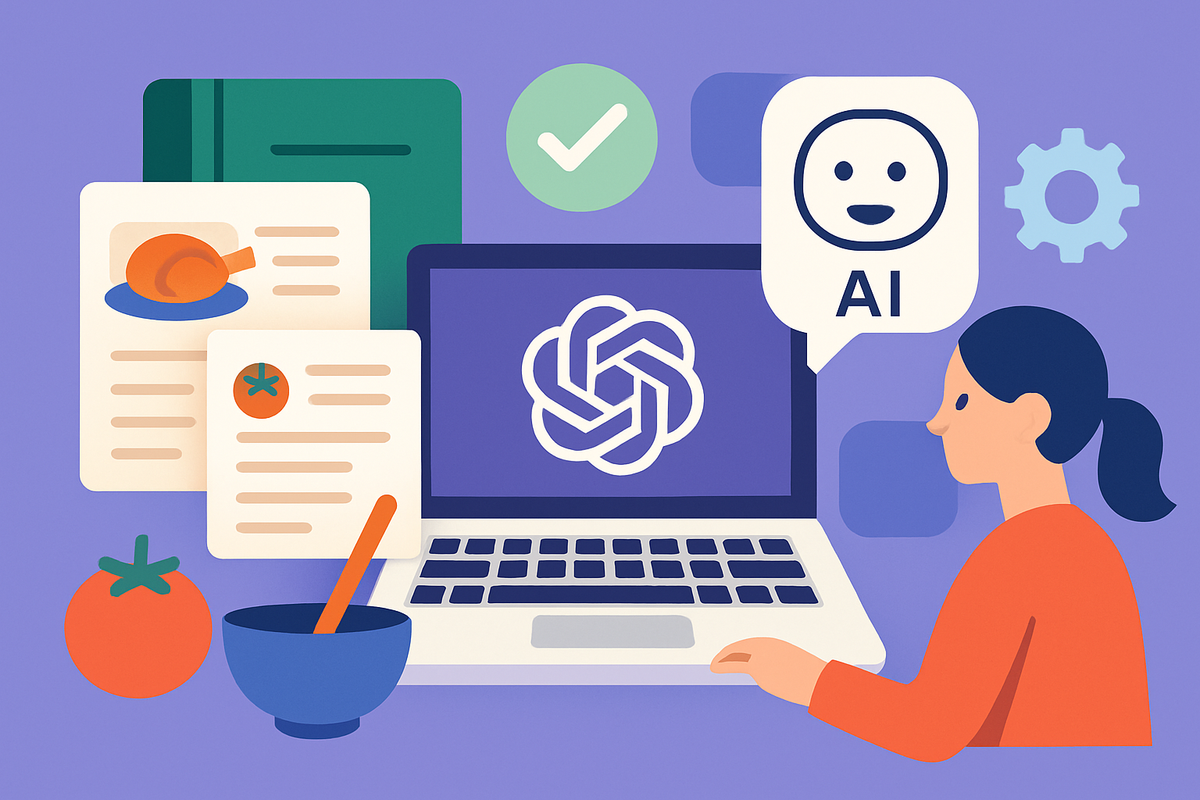
How to use ChatGPT for organizing recipes involves inputting your recipe ideas or ingredients into the chat to receive suggestions for categorization, meal planning, and recipe formatting. How to use ChatGPT for organizing recipes is about leveraging AI to efficiently sort and categorize your cooking instructions and ingredients. Imagine having all your favorite recipes at your fingertips, sorted by dietary needs, cuisine, or even prep time. This is where AI steps in to make your culinary life smoother.
If you've ever found yourself rifling through a pile of recipe cards or endless digital bookmarks, you're not alone. The task of organizing recipes can be as daunting as cooking a soufflé. ChatGPT offers practical solutions that can declutter and streamline this process with ease.
With ChatGPT, not only can you sort your collection by categories, but you can also generate new ideas based on the ingredients you have on hand. This practical playbook will walk you through how to use ChatGPT for organizing recipes effectively, turning culinary chaos into order. Ready to transform your kitchen adventures? Let's dive in!
How to Use ChatGPT for Organizing Recipes
ChatGPT is a great tool for organizing recipes because it offers ease of use, customization, and efficiency. These benefits make managing your culinary creations a breeze.
Ease of Use
Using ChatGPT to organize recipes is straightforward. Whether you're tech-savvy or a beginner, ChatGPT eliminates complexities. You can easily input your recipes and get them neatly sorted with a few simple commands. According to Hsu-Sheng Ko on LinkedIn, importing and extracting recipe details can be as simple as using Google Drive and a PDF parser. With ChatGPT, you don’t need to wade through stacks of paper recipes. Instead, you can access everything in one digital space.
Customization to Fit Your Needs
ChatGPT adapts to your personal preferences, making it a customizable solution. You can tailor your requests to fit dietary needs, ingredient preferences, or even your cooking skill level. For instance, you can specify if you want gluten-free or vegetarian options. As stated by the Eat for Endurance blog, clearly telling ChatGPT your food preferences and meal plans can yield perfectly personalized suggestions. This level of customization ensures that your recipe collection matches your lifestyle choices seamlessly.
Efficiency in Recipe Management
Efficiency is another strong point of using ChatGPT. It handles repetitive tasks and organizes recipes quickly. You’ll save time that would otherwise be spent on manual sorting and categorizing. By structuring your recipes into a format like JSON, as Ko suggests, you optimize the organization process further. This structured approach enables easy recipe retrieval, meaning less time searching and more time cooking.
Integrating No-Code Tools for Enhanced Efficiency
To take efficiency even further, consider integrating no-code tools alongside ChatGPT. Tools like Airtable or other database solutions can help manage your recipes dynamically. Hsu-Sheng Ko's approach involved using no-code platforms for recipe storage and ChatGPT for generating organized outputs. This combination allows you to automate a significant part of the recipe management process, reducing manual input and potential errors.
Real-Life Applications
ChatGPT isn’t just theoretical; people use it daily for practical recipe management. From extracting recipes off websites to generating grocery lists, ChatGPT’s applications are vast. The OpenAI Developer Community highlights how you can convert website recipes into structured formats, which ChatGPT can then organize efficiently. This capability allows you to compile recipes from various sources into one streamlined collection effortlessly. In summary, using ChatGPT to organize your recipes offers a mix of simplicity, customization, and efficiency. It's like having a personal assistant dedicated to your culinary needs. By combining it with no-code tools, you can further enhance this process, making your kitchen experiences more enjoyable and less stressful. Whether you're a busy parent or a culinary enthusiast, ChatGPT can adapt to your needs and help keep your recipes sorted and ready for your next adventure in the kitchen.
Preparing Your Recipe Collection
Preparing your recipe collection involves gathering all your recipes, both digital and physical, in one place to streamline organization. This essential step ensures that your recipes are ready for integration into systems like ChatGPT.
Gather All Your Recipes
First, locate every recipe you have. This includes those in cookbooks, printed on cards, saved on your computer, or bookmarked online. You might be surprised by how many recipes you have scattered across different places. As you gather these, organize them into categories such as appetizers, main courses, desserts, etc. This categorization will help later when you’re ready to input them into a digital system.
Digitize Your Physical Recipes
The next step is to convert any physical recipes into a digital format. Take pictures of your recipe cards or cookbook pages with your phone. Alternatively, you can scan them if you have access to a scanner. Digital copies are easier to manage and can be more readily incorporated into digital tools like ChatGPT. This step might seem tedious, but think of it as an investment in making your cooking adventures smoother in the future.
Organize Digital Files
For recipes already in digital form, ensure they are gathered in a single folder on your computer. You can use file names that reflect the recipe type or main ingredients, making them easily searchable later. According to Hsu-Sheng Ko on LinkedIn, storing recipe PDFs on platforms like Google Drive can streamline the process of extracting and organizing recipe data using tools like Airtable. This setup will ultimately make it easier to use ChatGPT or other AI tools to manage your recipe collection.
List Your Ingredients
While you're organizing recipes, note the common ingredients you use. Making a list of pantry staples and items you often buy can be helpful. According to the Sports Dietitian from Eat for Endurance, having an inventory of your fridge, freezer, and pantry helps in meal planning and prevents food waste. This step will also aid ChatGPT in suggesting recipes based on what’s already in your kitchen.
Plan Ahead with Clear Instructions
Once your recipes are collected and digitized, consider how you’ll instruct ChatGPT. Be as clear as possible when setting your preferences. Whether you seek meal suggestions for a specific day or want to explore recipes using certain ingredients, clear instructions help ChatGPT furnish accurate advice.
- Gather all your recipes, both physical and digital.
- Digitize physical recipes using a camera or scanner.
- Organize digital recipes in a single folder.
- List common ingredients found in your kitchen.
- Prepare clear instructions for using ChatGPT.
By following these steps, you'll streamline the process of integrating your recipes into ChatGPT, setting the stage for easy and effective recipe management. For further guidance, you might find it helpful to explore how others, like Hsu-Sheng Ko, have used AI tools to enhance their meal planning processes.
Setting Up ChatGPT for Recipe Management
To organize your recipes using ChatGPT, you'll need to set up a system that includes your meal preferences and cooking times. This allows ChatGPT to suggest recipes that suit your tastes and schedule.
Step 1: Define Your Meal Preferences
Start by making a list of your meal preferences. Do you prefer quick meals, vegetarian dishes, or maybe high-protein options? Being clear about what you like helps ChatGPT provide relevant suggestions. You might say, "I prefer quick vegetarian meals with a cooking time under 30 minutes." When you provide detailed preferences, ChatGPT can filter recipes to match these criteria. According to Hsu-Sheng Ko, specifying your interests is crucial for personalized recommendations.
Step 2: Set Up Your Cooking Times
Next, consider how much time you usually spend cooking. Are you available to cook a leisurely dinner, or do you need recipes that are quick and easy? Note these preferences so ChatGPT can tailor its suggestions to match your schedule. For instance, you could tell ChatGPT, "Give me recipes that take 20 minutes or less." With this input, you'll receive recipes that fit into your available time, making planning more efficient.
Step 3: Organize Your Ingredients
Before diving into recipe recommendations, it's helpful to know what ingredients you already have. Conduct an inventory of your pantry, fridge, and freezer. Organize these items by category, such as proteins, carbs, and veggies. According to a sports dietitian at Eat for Endurance, taking stock helps reduce food waste and informs what you might need to buy. Share this list with ChatGPT. You can say, "I have chicken, pasta, and broccoli—suggest a recipe," and it will find options using these ingredients.
Step 4: Customize Your Requests
When you're ready to start planning, give ChatGPT specific instructions. Specify what meals you need recipes for, like breakfasts, lunches, or dinners. For example, you might ask, "Suggest three dinner recipes for the coming week." Clear instructions help ChatGPT provide useful results. You'll avoid vague suggestions and instead receive actionable meal plans that fit your criteria.
Step 5: Integrate No-Code Tools for Advanced Setup
If you're comfortable using apps, consider integrating no-code tools to streamline your recipe organization. Hsu-Sheng Ko suggests importing recipe files to a database like Airtable. Use a PDF parser to extract text, then ask ChatGPT to organize the details. This method allows for more complex organization and automation. You can find recipes online, extract key information, and let ChatGPT convert it into an easy-to-read format. By doing so, your recipes become more accessible and manageable. Using ChatGPT as part of your recipe management system saves time and energy. With organized preferences and cooking times, you receive tailored suggestions that align with your lifestyle. Whether you're a busy professional or a meal-prepping enthusiast, these steps will help you get the most out of ChatGPT.
Using No-Code Tools for Enhanced Organization
To organize recipes effectively with ChatGPT, combine it with no-code tools for automating recipe extraction and management. These tools simplify transferring and structuring your recipes, saving you time.
Why Use No-Code Tools?
No-code tools let you organize recipes without needing programming skills. They are user-friendly and integrate seamlessly with ChatGPT. For instance, Hsu-Sheng Ko leveraged these tools to import recipe PDFs into Airtable and used an online parser to extract text, making the process more efficient (source: [LinkedIn](https://www.linkedin.com/posts/hsushengko_personal-ai-meal-planner-how-i-used-no-code-activity-7215072930966179840-pWfi)). These tools help maintain a structured format, ensuring all recipe details are easily accessible.
Tools to Consider
Several no-code tools work well with ChatGPT for recipe management. Airtable, Google Sheets, and Zapier stand out for their ease of use and flexibility. Airtable acts as a dynamic database, perfect for storing detailed recipe information. Google Sheets provides a familiar spreadsheet interface, while Zapier automates data movements between apps.
Comparing No-Code Tools
Below is a table comparing different no-code tools for organizing recipes:
| Tool | Features | Integration with ChatGPT | Ease of Use |
|---|---|---|---|
| Airtable | Database, Collaboration, Automation | Easy via API | High |
| Google Sheets | Spreadsheet, Sharing, Extensions | Moderate with Extensions | Very High |
| Zapier | Workflow Automation, App Integration | Easy Setup | High |
Setting Up Your No-Code Tool
Choosing the right tool depends on your needs. To use Airtable, start by creating a new base to store recipe data. Import your recipes using an online parser to convert text to a structured format. Google Sheets users can utilize extensions to streamline the data capture process, ensuring all recipe elements are organized logically. For those who prefer Zapier, set up workflows that automate data transfer from recipe sources to your chosen storage tool.
Integrating with ChatGPT
Once your recipes are organized in a no-code tool, ChatGPT can enhance your experience by providing recommendations and meal plans. Begin by giving ChatGPT access to your organized recipes via an API connection. As new data is added, you can use ChatGPT to extract insights, like identifying missing ingredients. Employing no-code tools with ChatGPT not only enriches your recipe collection but also makes meal planning an effortless task. By choosing the right combination of tools, you can automate your recipe management, saving time and reducing hassle.
Step-by-Step Instructions for Organizing Recipes
Using ChatGPT to organize your recipes involves setting clear goals and leveraging its ability to parse and store information effectively. Here’s how you can do it in a few simple steps.
Step 1: Collect Your Recipes
Begin by gathering your recipe collection. This can be digital or paper-based. If you have printed recipes, consider scanning them into PDFs or typing them out in a digital format. You’ll want these documents handy for easy access. According to Hsu-Sheng Ko on LinkedIn, importing recipes into a tool like Google Drive can simplify this step.
Step 2: Prepare Your Data
Once your recipes are digitized, use an online PDF parser or text extraction tool to convert them into text. This step is crucial as it makes it easier for ChatGPT to read and process the data. If you have recipes saved from websites, ChatGPT can directly extract information such as the title, ingredients, and steps from these webpages (OpenAI Developer Community).
Step 3: Define Your Organization Criteria
Determine how you want your recipes organized. Do you want them sorted by cuisine, main ingredient, or cooking time? Maybe you’re interested in categorizing by dietary preference, such as vegetarian or gluten-free. Clearly defining your criteria will help ChatGPT understand what output format you need. Be specific with your instructions to ChatGPT for better results, as suggested by the Eat for Endurance blog.
Step 4: Use ChatGPT for Sorting
Now it's time to leverage ChatGPT's capabilities. You can provide ChatGPT with detailed instructions like, “Organize these recipes by Italian cuisine and separate entries based on preparation time under 30 minutes.” Expect ChatGPT to sort through the data and present it in a structured format, such as JSON, for easier viewing.
Step 5: Automate with No-Code Tools
For those wanting to automate further, consider integrating ChatGPT with no-code tools. Hsu-Sheng Ko mentions using platforms like Airtable to manage recipe data, which allows you to automate sorting and retrieval processes. This integration helps streamline the management and update of your recipe collection.
Step 6: Review and Adjust
After ChatGPT has processed your recipes, review the output. Check for any errors or misplaced entries. If necessary, refine your criteria or instructions and rerun the process. Over time, this will improve the accuracy of your organized collection.
- Collect and digitize your recipes.
- Use a PDF parser for text extraction.
- Define how you want to organize your recipes.
- Use ChatGPT to sort recipes based on your criteria.
- Consider no-code tools for further automation.
- Review and adjust as needed for accuracy.
This structured approach ensures you make the most out of ChatGPT's capabilities, turning a chaotic recipe collection into an organized, easy-to-navigate resource. If new recipes are added later, you can repeat these steps to keep everything current and useful. For more detailed guidance, consider exploring tools and techniques shared by experts like Hsu-Sheng Ko and others in the field.
Troubleshooting Common Issues
When using ChatGPT for organizing your recipes, you might encounter a few common issues. Fortunately, these can be resolved with some practical solutions.
ChatGPT Misunderstanding Instructions
One common issue is ChatGPT misunderstanding your instructions. This usually happens if your input lacks clarity or detail. To fix this, be as specific as possible with your requests. For instance, instead of saying "organize my recipes," specify that you want them sorted by meal type or cooking time. If ChatGPT suggests irrelevant recipes, refine your query by providing details like dietary preferences and ingredient availability. This approach is recommended by Hsu-Sheng Ko, who emphasizes clear communication in his LinkedIn post on using no-code tools for recipe management.
Incorrect Recipe Information
Another challenge is incorrect recipe details. This can occur if the recipes you're using are not well-formatted for AI parsing. When extracting recipe information, ensure that key elements like ingredient lists and steps are clearly defined. According to the OpenAI Developer Community, breaking down the information into structured formats helps ChatGPT accurately interpret and organize recipes. For example, you can use tools to convert recipes from websites into structured data before inputting them into ChatGPT.
Difficulty in Extracting Recipes from Websites
If you're having trouble extracting recipes from websites, the issue might be with inconsistent webpage formats. Websites often vary in how they structure content, making it challenging for AI to extract information consistently. To overcome this, consider using an online PDF parser or other tools to standardize the recipe format before using ChatGPT. This method is part of a workflow shared by Hsu-Sheng Ko, involving the use of Airtable and online parsers to create a uniform data structure.
Limited Contextual Understanding
ChatGPT sometimes struggles with context when dealing with complex recipe collections. Providing additional context can help. If you're organizing a vast number of recipes, group them into smaller categories or themes. This makes it easier for ChatGPT to understand and manage the data effectively. For example, organize by cuisine type or special dietary needs, which helps ChatGPT narrow down the focus and provide more accurate suggestions.
Technical Glitches and Connectivity Issues
Technical glitches or connectivity issues can interrupt your recipe organizing process. Ensure you have a stable internet connection when interacting with ChatGPT. If you experience delayed responses, try refreshing the page or restarting your browser. Additionally, keeping your software and browser up to date can prevent compatibility issues that might affect your workflow. By addressing these common issues, you can enhance your experience using ChatGPT for organizing recipes. With clear instructions and strategic preparation, you can streamline the process and make your recipe collection more manageable. For further guidance, refer to reliable sources such as the recommendations by sports dietitians and busy moms featured on Eat for Endurance.
Maximizing ChatGPT for Meal Planning
ChatGPT can streamline your meal planning by generating grocery lists and organizing meal schedules. By setting clear preferences, you can use ChatGPT effectively for personalized meal planning.
Creating Your Meal Schedule
To start, gather a list of what you have in your kitchen. According to a busy mom and sports dietitian, organizing these items by category (like protein and carbs) is helpful. Next, give ChatGPT clear instructions about what you want. This could be details like meals for specific days, dietary restrictions, or cooking times. Using this input, ChatGPT can offer meal suggestions that suit your week.
Generating Grocery Lists
A useful way to leverage ChatGPT is for creating grocery lists. Once you have your meal schedule, ask ChatGPT to compile the ingredients needed. You’ll receive a list based on the meals planned, which can help you avoid unnecessary purchases. This method reduces food waste by focusing only on what’s required. Hsu-Sheng Ko, who successfully used no-code tools with ChatGPT, highlights how automating this process saves time and effort.
Utilizing No-Code Tools
For those who want to delve deeper, pairing ChatGPT with no-code tools can enhance your meal planning. Hsu-Sheng Ko describes importing recipes into Airtable and then using ChatGPT to extract and organize them into a structured format. This approach can streamline your meal planning, especially if you have a large recipe collection. It automates the identification of ingredients and preparation steps, making it easier to plan your meals.
Adapting to Preferences and Restrictions
Customize your meal plan by telling ChatGPT about your dietary needs or preferences. For example, you can specify low-carb meals or vegetarian recipes. The more detailed your instructions, the better ChatGPT can tailor its suggestions. According to the OpenAI Developer Community, precise prompts enable ChatGPT to extract and suggest recipes that fit your criteria.
Staying Flexible and Open
While ChatGPT is a powerful tool, flexibility is key. It's advisable to periodically review your meal plans and adjust based on feedback or changes in your routine. Trying new recipes suggested by ChatGPT can keep meal times exciting and help prevent monotony. By combining clear communication with technology, ChatGPT can take the stress out of meal planning. To explore more about integrating AI with your meal planning, you might find our article on how to use AI in daily tasks helpful. Also, check out Hsu-Sheng Ko's insights on using ChatGPT and no-code tools to enhance your planning process.
Frequently Asked Questions
How can ChatGPT help me organize my recipes?
ChatGPT can assist you in categorizing recipes by type, ingredients, or cuisine. You can also ask it to suggest tags or create a structured format for easy reference.
What are the best no-code tools to use with ChatGPT for recipes?
Some popular no-code tools include Airtable for database management and Notion for organizing content. These tools can integrate with ChatGPT to streamline recipe organization.
Can I use ChatGPT to plan meals and generate grocery lists?
Yes, ChatGPT can help you plan meals by suggesting recipes based on your preferences. It can also create grocery lists by compiling the ingredients needed for your selected meals.
What should I do if ChatGPT doesn't understand my recipe requests?
If ChatGPT doesn't understand, try rephrasing your question or providing more context. Be specific about the recipe type or details you want assistance with.
Your Recipe Organization Journey Awaits
Organizing your recipes with ChatGPT can simplify your cooking adventures. It helps you sort and retrieve recipes swiftly, saving time and effort. By categorizing ingredients and meal types, you can make meal planning efficient and fun. Embrace using AI in your culinary routine to enhance your everyday cooking.
If you're eager to explore more AI applications, check out this practical playbook on using AI in business. For smart home enthusiasts, discover AI technology for smart homes. Ready to transform your recipe management? Start implementing these AI tips today and taste the difference!