How to Create AI-Generated Art for Free 2024 Guide
Learn how to create AI-generated art for free 2024 with our step-by-step guide for beginners and enthusiasts.
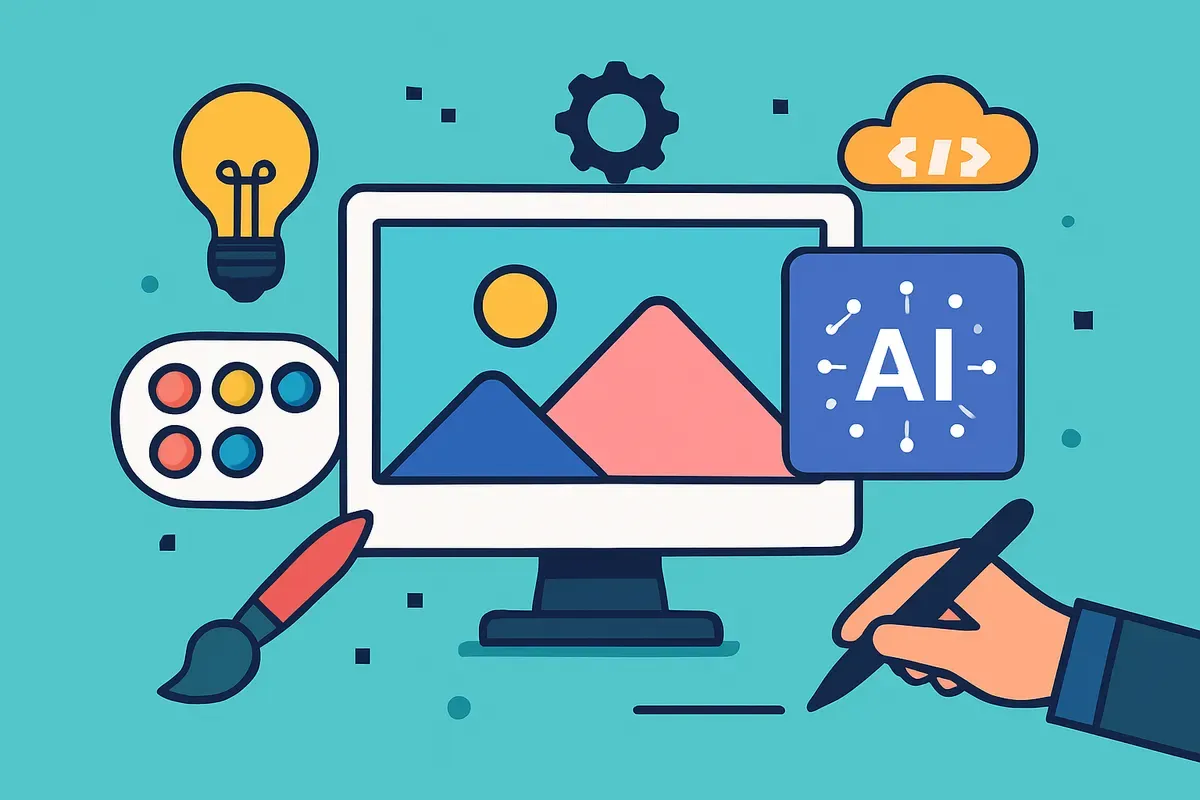
How to create AI-generated art for free 2024 is a step-by-step guide to using no-cost tools to craft stunning digital creations without spending a dime. In the evolving landscape of digital creativity, AI art tools are emerging as powerful allies for artists and hobbyists alike. Imagine producing a unique masterpiece with just a few clicks, no deep pockets required, and an open mind to explore the frontiers of digital art.
Diving into the world of AI-generated art has never been more accessible. Free tools and platforms are abundant, allowing you to experiment and refine your skills without financial constraints. In 2024, these tools are even more sophisticated, offering a range of styles and techniques to suit every creative need. Whether you’re a seasoned artist or a novice, understanding how to create AI-generated art for free can unlock a world of possibilities.
Get ready to transform your creative process by utilizing accessible technology. In this playbook, you'll find practical steps to engage with the latest free AI art tools. Embark on a journey where technology meets creativity, all for free.
How to Create AI-Generated Art for Free 2024
AI-generated art is artwork created with the help of artificial intelligence, making creative processes more accessible. In 2024, exploring this fascinating medium is easier than ever, with tools like Leonardo.ai and Bing Image Creator offering free access.
The Growing Popularity of AI Art
AI art has gained popularity for its ability to transform ideas into visual masterpieces effortlessly. Artists, designers, and hobbyists are embracing these tools for their creativity and ease of use. According to Fritz AI, platforms like Leonardo.ai and Bing Image Creator are among the top free AI art generators for 2024. These tools allow users to create digital art without prior expertise, democratizing the creative process.
Why 2024 Is the Perfect Time to Start
The rapid development of AI technology means 2024 is a great time to dive into AI art. Firstly, the tools available now are more sophisticated and user-friendly than ever. Many platforms offer free access, allowing you to experiment without any financial commitment. For instance, Leonardo.ai offers a generous free tier, making it accessible for casual and professional use alike (6 Free AI Art Tools That Turn Imagination into Reality).
Exploring Leonardo.ai and Bing Image Creator
Leonardo.ai and Bing Image Creator are leading tools in this space. They allow you to generate art based on simple text prompts. Leonardo.ai is praised for balancing power and accessibility, while Bing Image Creator offers a straightforward interface to get started immediately (Discover The Best FREE AI Image Generator of 2024!). Both tools are ideal starting points for anyone new to AI-generated art.
How AI Art Tools Work
Using these AI tools is simple: you input text prompts describing the image you want, and the AI generates your artwork. This process, often called "prompt engineering," requires no artistic skill, just a bit of imagination. Leonardo.ai, for instance, provides helpful prompt suggestions to guide beginners (Best AI Image Generators of 2026 - CNET).
Benefits and Opportunities
The benefits of AI-generated art extend beyond mere convenience. It's a fantastic way to visualize concepts for projects, create personalized gifts, or even enhance professional design work. Furthermore, as AI continues to evolve, new opportunities for creative expression emerge. Artists can explore styles or ideas they might not have considered before, pushing the boundaries of what they can create. In short, AI-generated art is becoming more accessible and popular, offering exciting possibilities for creators in 2024. With tools like Leonardo.ai and Bing Image Creator, you can easily start your creative journey in the AI art world.
Getting Started with Leonardo.ai
Leonardo.ai allows you to create AI-generated art for free, making it perfect for beginners and hobbyists. This step-by-step guide will help you set up your account and start creating stunning digital artworks with ease.
Step 1: Visit the Leonardo.ai Website
First, head over to Leonardo.ai's homepage. The website is user-friendly, and you can start creating without any hassle. According to a source from Fritz AI, Leonardo.ai offers a simple interface that doesn’t even require account creation for basic use. However, signing up will unlock more features and save your projects.
Step 2: Create Your Account
While you can generate art without an account, creating one is beneficial for saving your work and accessing additional tools. Follow these steps:
- Click on "Sign Up" at the top right corner of the homepage.
- Enter your email address and create a password.
- Verify your email by clicking on the link sent to your inbox.
- Log in to your new account.
With your account set up, you can enjoy a more personalized experience.
Step 3: Navigate the Interface
Upon logging in, you’ll be directed to the main dashboard, referred to as the "Launch App". Here’s a quick tour:
- On the left side, find the menu options for creating and managing art projects.
- The center of the screen is where your art will appear as it's generated.
- On the right, you’ll see settings for adjusting parameters and viewing your generation history.
Getting comfortable with the interface is crucial for efficient art creation.
Step 4: Enter Your First Prompt
You can now start creating! In the prompt box on the homepage, type a description of the art you envision. Creativity is your only limit. Whether you want a surreal landscape or a futuristic cityscape, Leonardo.ai can handle it.
Step 5: Experiment with Settings
Leonardo.ai offers various settings to tweak your results. Adjust the style, color, and complexity to see different outputs. According to a source from CNET, experimenting with these settings can significantly enhance the quality and uniqueness of your generated art.
Step 6: Download and Share Your Creation
Once satisfied with your art, you can download it directly from the dashboard. Click "Download" in the menu, and your masterpiece will be saved to your device. Sharing your art with friends is just a click away through social media options available on the platform. Leonardo.ai offers a balance between ease of use and creative control, making it a top choice for AI art enthusiasts. With these steps, you're all set to dive into the world of AI-generated art confidently. For more on AI tools, check out our AI art comparison guide and discover the possibilities.
Exploring Bing Image Creator
To create AI-generated art for free in 2024, Bing Image Creator offers a straightforward and user-friendly experience. It's a perfect tool for both beginners and seasoned artists looking to explore their creativity without spending a dime.
Getting Started with Bing Image Creator
Using Bing Image Creator is as simple as visiting their website, no account necessary. According to Fritz AI, you can start generating art immediately, thanks to its intuitive design. Just type in your creative idea in the prompt box on the homepage and let the AI work its magic.
Features of Bing Image Creator
Bing Image Creator is packed with features that make it a go-to for free AI art generation:
- No Account Required: Start creating without any registration hassle.
- Text Prompt Based: Just enter a description, and the AI generates a corresponding image.
- User-Friendly Interface: The simple layout ensures a smooth user experience.
- Quick Generation: Receive artwork within seconds of submitting a prompt.
- Variety of Styles: Experiment with different artistic styles to find the perfect fit for your concept.
Ease of Use for Beginners
Bing Image Creator shines in its simplicity. If you're new to AI art, you won't feel overwhelmed. You don't need to navigate complex menus or settings. This simplicity makes it a great entry point for anyone looking to dip their toes into AI-generated art.
Quality of Art
Despite being free, Bing Image Creator delivers impressive results that rival paid alternatives. According to a review on CNET, the quality of the images is commendable, providing a good balance between creativity and clarity. This makes it suitable for personal projects or even casual creative endeavors.
Maximizing Your Experience
To get the most out of Bing Image Creator, experiment with different types of prompts. Try descriptive words, emotions, or even abstract concepts. The variety in inputs can lead to surprising and delightful artwork, ensuring that no two images are ever the same. By constantly trying new prompts, you can uncover the full potential of this tool and truly stretch your creative muscles. In conclusion, Bing Image Creator is a robust option for free AI art generation. Its user-friendly interface and impressive feature set make it accessible for everyone. Whether you're just foraying into AI art or looking to add another tool to your creative arsenal, Bing Image Creator is worth exploring. For a more detailed comparison of AI art tools, check out the guide on Fritz AI's website.
Comparing Free AI Art Tools: Leonardo.ai vs. Bing Image Creator
Leonardo.ai and Bing Image Creator are fantastic free tools for creating AI-generated art. Each has unique features, ease of use, and output quality, helping you choose the best fit.
Features and Accessibility
Leonardo.ai is praised for its robust prompt engineering tools that are beginner-friendly, according to CNET. Its interface promotes an easy entry into the world of AI art. You don't even need an account to start, making it accessible right from the get-go. Bing Image Creator, on the other hand, integrates seamlessly with Microsoft's ecosystem, providing an experience that feels familiar if you're already using Bing or Microsoft products.
Ease of Use
Both platforms are designed to be straightforward. Leonardo.ai offers a clean, intuitive interface that guides you smoothly from start to finish. As highlighted by a YouTube review, after logging in, you access the app and begin creating almost immediately. Meanwhile, Bing Image Creator leverages the simplicity of Microsoft's design ethos, making it easy for anyone to dive in and start generating art with just a few clicks.
Output Quality
Quality is where these tools differ slightly. Leonardo.ai is known for producing high-quality images that could be used in both personal and professional contexts. Fritz AI points out that its output is well-suited for both casual exploration and design work. Bing Image Creator offers solid results as well, particularly if you're looking for quick and creative outputs linked to text prompts you might develop in ordinary search contexts.
Comparative Overview
Here’s a quick glance at how these two tools stack up:
| Feature | Leonardo.ai | Bing Image Creator |
|---|---|---|
| Ease of Use | Intuitive and beginner-friendly | Simple, familiar interface |
| Image Quality | High-quality, professional-grade outputs | Quick and creative results |
| Accessibility | No account needed, immediate start | Integrated with Microsoft ecosystem |
| Best For | Both casual and professional use | Casual, quick art generation |
In summary, both Leonardo.ai and Bing Image Creator are excellent choices for creating AI-generated art without spending a dime. Leonardo.ai might be your go-to if you're looking for professional-quality outputs and beginner-friendly tools. In contrast, Bing Image Creator shines with its ease of access through Microsoft's platforms. Consider your needs and preferences to pick the one that suits your artistic journey.
Maximizing Creativity with Text Prompts
To create imaginative AI art, crafting effective text prompts is crucial. Your choice of words directly influences the artwork produced.
Understanding Text Prompts
A text prompt is a phrase or sentence you provide to an AI to generate art. It serves as the guide for the AI's creativity. The more detailed and vivid your prompt, the more likely you are to receive an impressive result. For example, instead of typing "cat," try "a majestic Persian cat lounging on a velvet cushion under a golden sunset." This provides the AI with more context and detail to work from.
Using Descriptive Language
Descriptive language is your best friend when writing prompts. Adjectives and adverbs paint a picture in words. Use these to guide the AI in creating a specific scene or mood. Consider including colors, textures, emotions, and even historical or cultural references. According to CNET, Leonardo.ai offers tools to help refine these prompts, making it easier for beginners to enhance their descriptions effectively.
Experimenting with Styles
Try using different art styles in your prompts, like "in the style of Van Gogh" or "in a cyberpunk cityscape." This helps the AI adopt a certain aesthetic or technique. Mixing styles can lead to unique and unexpected results, adding depth to your creations. The versatility of styles is one reason Leonardo.ai is considered a top choice for AI art generation by Fritz AI.
Incorporating Context and Mood
Adding context or mood sets the scene for your AI-generated artwork. Words like "serene," "chaotic," or "whimsical" can drastically change the outcome. Context includes time periods, like "Renaissance era," or settings, such as "a bustling New York street." Giving the AI a setting or timeframe can help anchor its creative process, producing more coherent art pieces.
Iterating and Refining Prompts
Creating AI art is an iterative process. Don’t expect perfection on the first try. Tweak your prompts, make adjustments, and see how the AI responds. Use each iteration as a learning opportunity. This trial-and-error approach is a great way to find what works best with various tools. Bing Image Creator offers easy iterations, allowing you to refine your art promptly. As highlighted in the "Discover The Best FREE AI Image Generator of 2024!" video, experimenting with prompt variations can enhance your final artwork significantly.
Practical Tips for Crafting Better Prompts
Here are a few tips to help you get started:
- Be Specific: More detail yields better results.
- Use Vivid Descriptions: Engage the AI’s “imagination” with colorful language.
- Embrace Styles and Moods: Experiment with art styles and emotional tones.
- Iterate Often: Refine your prompts based on initial results.
- Use AI Tools: Let built-in features guide your prompt refinement.
Remember, getting the most out of AI-generated art tools like Leonardo.ai and Bing Image Creator requires patience and creativity. By mastering the art of crafting effective prompts, you can unlock a world of artistic possibilities.
Tips for Beginners: Common Pitfalls and Solutions
To create AI-generated art effectively, start by understanding common pitfalls and how to avoid them. By making some practical adjustments, you can enhance your AI art experience and create stunning images with ease.
Start Simple with Your Prompts
When you're just beginning, it's tempting to dive into complex prompts. However, starting with simple, clear prompts can lead to more satisfactory results. For example, instead of inputting "a serene lakeside sunset with golden hues reflecting on the water and birds flying in the distance," try "sunset over a lake" first. According to Fritz.ai, straightforward prompts help the AI understand your vision better, especially on platforms like Leonardo.ai, which offers a user-friendly interface for beginners (source: Fritz.ai).
Understand AI Limitations
AI art generators like Bing Image Creator and Leonardo.ai are powerful, but they have limitations. They might not capture very detailed elements in one go. Be patient and refine your prompts based on the initial outputs. This iterative process helps you learn how the tool interprets your descriptions. As CNET notes, these platforms often require some trial and error for optimal results (source: CNET).
Experiment with Styles and Settings
Both Leonardo.ai and Bing Image Creator offer various styles and settings to explore. Don't stick to one default option. Try different art styles to see which aligns with your creative vision. For instance, Leonardo.ai allows you to tweak settings like color palette and style intensity. This experimentation can uncover new possibilities and unexpected results, as highlighted in the guide by Towards AI (source: Towards AI).
Manage Your Expectations
AI-generated art is not always perfect. Sometimes, the output won't match your expectations. It’s important to manage these expectations and remember that AI is a tool that requires guidance. Keep refining your prompts and adjust settings based on feedback from initial results. Over time, you'll learn how to get the AI to better reflect your artistic intent.
Common Pitfalls to Avoid
- Overly Complex Descriptions: Use clear and concise language.
- Ignoring Tool Features: Explore all settings and options available.
- Impatience: Allow time for trial and error.
- Sticking to a Single Tool: Compare outputs from different generators.
Keep Learning and Adapting
The AI art space is evolving rapidly, and new features are constantly being introduced. Stay updated with the latest tools and techniques, and don't hesitate to try new platforms or features. As you grow more comfortable with AI-generated art, you’ll discover more about what these tools can achieve. According to a YouTube video highlighting AI art tools for 2024, continual learning is key to unlocking the full potential of AI art generators (source: YouTube). By starting with these tips, you'll build a solid foundation for creating AI-generated art. Enjoy the creative journey, and don't forget to explore different tools and techniques to continuously enhance your skills.
Advanced Techniques for AI Art Enthusiasts
To elevate your AI-generated art, master prompt engineering and explore diverse artistic styles. These advanced techniques can help you stand out and create unique digital art pieces.
Mastering Prompt Engineering
Prompt engineering is crucial for creating compelling AI-generated art. By refining your text prompts, you can better guide the AI to produce the desired outcome. When using tools like Leonardo.ai or Bing Image Creator, start with precise and descriptive prompts. For instance, instead of "sunset," try "vivid sunset over a tranquil ocean with vivid colors." This specificity helps the AI understand your vision. Experiment with different prompt structures. Use adjectives to specify mood, use verbs to add action, and include nouns for detailed scenes. For example, "a mysterious forest at dusk with a glowing fairy" gives the AI more to work with than a generic description. According to Fritz AI, Leonardo.ai provides excellent prompt engineering tools to help you refine your art (source: Fritz ai).
Exploring Artistic Styles
Once you've mastered prompt engineering, the next step is experimenting with various artistic styles. Leonardo.ai allows you to select from different styles, such as impressionism or surrealism. This choice can drastically change the appearance and feel of your artwork. Try generating the same prompt in different styles to see how it transforms the final piece. Style exploration is not just about aesthetics; it's about finding a voice in your art. Ask yourself, "What feeling or message do I want to convey?" Then, choose a style that aligns with your artistic goals. As reported by CNET, Leonardo.ai was a favorite in 2023 due to its versatility in style options (source: CNET).
Utilizing Feedback and Iteration
Creating stunning AI art is often an iterative process. After generating an image, take time to critique it. What works? What doesn't? Use this feedback to adjust your prompts and styles. Sometimes, small tweaks can make a big difference. Don't be afraid to generate multiple versions of an artwork. This approach allows you to compare results and select the best one. According to Towards AI, using free art tools like Leonardo.ai enables easy experimentation without worrying about costs (source: Towards AI).
Leveraging Community and Resources
Join online communities focused on AI art. These communities are a goldmine for inspiration and advice. Share your work and get feedback from others. This feedback can improve your skills and introduce you to new techniques. Many platforms, including Leonardo.ai, offer tutorials and resources. Spend time exploring these materials to deepen your understanding and enhance your skills. As highlighted by video resources, such tools are invaluable for both beginners and advanced users (source: YouTube).
Balancing Creativity and AI
While AI offers powerful tools, remember that your creativity drives the art. Use AI as a tool to enhance your vision, not replace it. Combine traditional art techniques with AI-generated elements for a unique blend. In conclusion, mastering advanced techniques in AI-generated art requires practice and patience. By focusing on prompt engineering, exploring styles, iterating, and engaging with the community, you’ll elevate your artwork to the next level. Explore tools like Leonardo.ai and Bing Image Creator to unleash your creativity without limits.
Frequently Asked Questions
What is AI-generated art?
AI-generated art is artwork created using artificial intelligence algorithms that can interpret and produce images based on user inputs or existing data. This technology allows for unique and innovative creations that blend human creativity with machine learning.
Is it really free to use Leonardo.ai and Bing Image Creator?
Yes, both Leonardo.ai and Bing Image Creator offer free access to their AI art generation tools, though they may have limitations on usage or require an account for full features.
How can I improve the quality of my AI-generated art?
To improve the quality, experiment with different prompts, adjust settings for resolution and style, and use high-quality reference images. Additionally, refining your inputs can lead to more desirable outcomes.
Can I use AI-generated art for commercial purposes?
The ability to use AI-generated art commercially depends on the platform's terms of service, so it's important to check the licensing agreements. Many platforms allow commercial use, but restrictions may apply.
Bringing AI Artistry into Your Creative World
Creating AI-generated art for free in 2024 has never been easier. You now have the tools to explore your creative potential without breaking the bank. From setting up on accessible platforms to leveraging intuitive tools, you're equipped to dive into a new realm of digital artistry.
Don't stop here. Continue experimenting and expanding your creative horizons. If you're curious about how AI can assist in other areas of your life, consider learning how to set up AI reminders with Google Assistant or explore the best AI tool for tracking freelance projects. Your journey into the digital art world is just beginning. Embrace it, create, and share your unique vision with the world.
Explore, create, and let your imagination lead the way!