
How AI Changes Technology Landscape: A New Era Unfolds
Explore how AI changes technology landscape by automating tasks, enhancing analytics, and creating job roles. Discover emerging trends and future impacts.

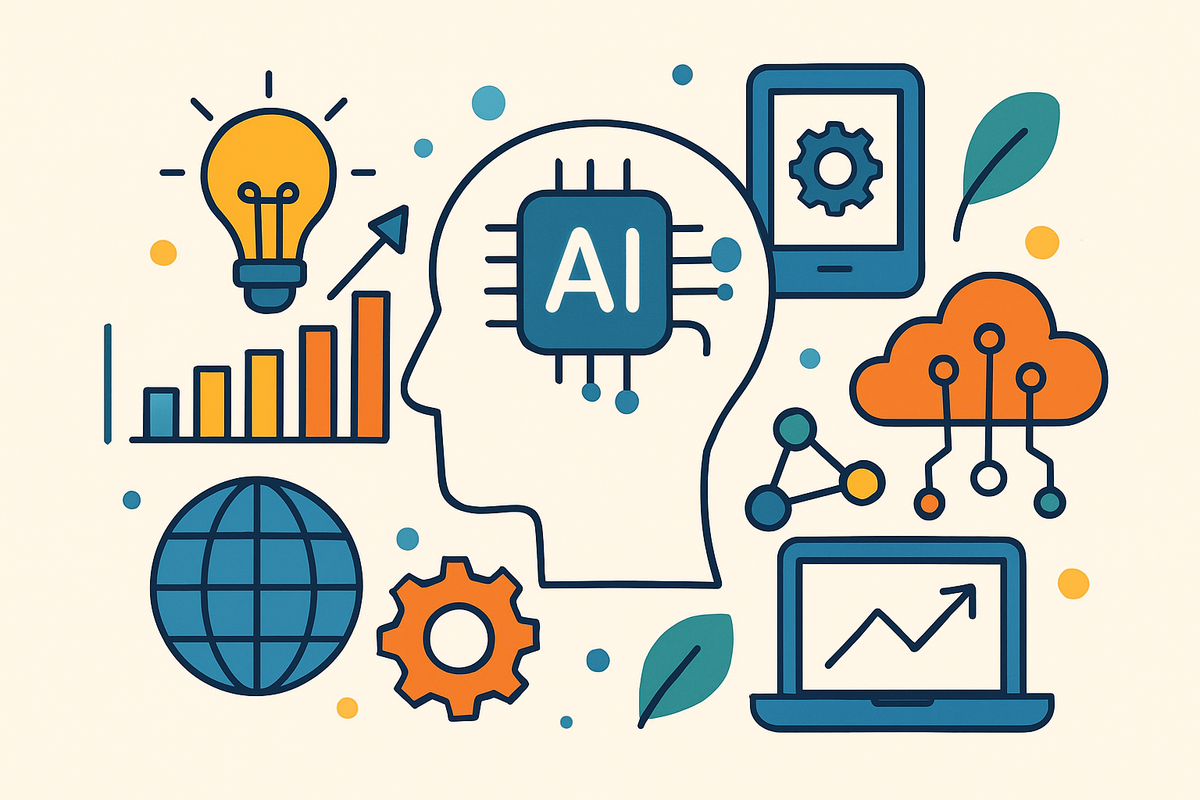
How AI Changes Technology Landscape
How AI Changes the Technology Landscape
Understanding How AI Changes the Technology Landscape
Disclosure: This post contains affiliate links. We may earn a commission if you make a purchase at no additional cost to you.
Artificial intelligence (AI) is a transformative force reshaping the technology landscape. It automates complex tasks, enhances data analytics, and creates new job roles, presenting both opportunities and challenges for organizations striving to remain competitive. According to McKinsey, AI's impact is profound and far-reaching, influencing various sectors globally.
AI's Role in Automation and Efficiency
Automating Repetitive Tasks
AI significantly enhances productivity by automating routine tasks. In industries like manufacturing, AI-powered robots perform repetitive tasks with precision and speed. Additionally, in software development, AI tools like GitHub Copilot assist developers by suggesting code snippets, reducing the time spent on coding tasks. This automation extends to various sectors, boosting overall efficiency.
In customer service, AI chatbots handle inquiries 24/7, improving customer satisfaction and reducing response times. The financial industry uses AI for transaction processing, reducing human error and speeding up operations. AI-driven automation streamlines supply chain operations by optimizing logistics and inventory management. Predictive maintenance powered by AI minimizes equipment downtime, leading to cost savings and increased reliability.
The impact of AI on repetitive task automation is visible in healthcare, where AI systems manage appointments and patient records with accuracy, allowing healthcare professionals to focus on patient care rather than administrative duties. This automation is also transforming the agriculture industry, where AI-driven machines perform planting and harvesting tasks with minimal human intervention, enhancing productivity and crop yields.
Furthermore, AI helps automate quality control processes in manufacturing. Automated inspections ensure products meet standards, reducing waste and improving product quality.
Enhancing Data Analytics
AI’s ability to process large volumes of data quickly positions it as a pivotal tool in data analytics. Organizations harness AI to identify patterns and derive insights that were previously inaccessible. For instance, in finance, AI algorithms predict market trends by analyzing financial data, enabling more informed decision-making.
Retail businesses use AI to analyze customer behavior, optimizing sales strategies and personalized marketing campaigns. In healthcare, AI models predict patient outcomes, assisting in preventive care and improving treatment plans. AI enhances cybersecurity by identifying anomalies in real-time, preventing data breaches and securing sensitive information, which is crucial as cyber threats become more sophisticated.
Educational institutions use AI to analyze student performance, identifying areas that require attention and personalizing learning experiences. This data-driven approach improves educational outcomes and student engagement. AI is revolutionizing logistics by optimizing routes and delivery schedules through data analysis, reducing operational costs and environmental impact.
The entertainment industry utilizes AI for content recommendation systems. Analyzing viewer preferences improves user experience and increases engagement with personalized content offers.
AI in Job Creation and Workforce Evolution
Emergence of New Job Roles
Contrary to the fear of job loss, AI is creating new roles such as data scientists and AI specialists. These roles focus on developing and managing AI systems. Moreover, AI is reshaping existing job profiles, demanding new skills and fostering continuous learning among professionals.
- Data Scientists
- AI Specialists
- Business Intelligence Developers
The rise of AI calls for AI ethics officers who ensure ethical usage of AI technologies. These professionals guide organizations in making responsible AI decisions. AI project managers oversee AI implementations, ensuring they align with business goals and deliver expected outcomes. Their role is crucial for successful AI adoption.
New roles like AI trainers are emerging, responsible for training AI systems with accurate data inputs. They play a critical role in ensuring AI accuracy and functionality. The importance of AI in strategic planning roles is growing, with professionals adept in leveraging AI insights to drive business growth and innovation.
AI is also influencing human resources, where specialists manage AI-powered recruitment tools, enhancing talent acquisition processes and workforce development strategies.
Skill Development and Career Opportunities
AI's integration into various sectors has opened up new career paths in technology. Professionals are now required to acquire skills in machine learning, data handling, and AI system management. This trend underscores the importance of education and training programs that equip the workforce to adapt to these changes.
Many organizations are investing in upskilling programs, providing existing employees with the opportunity to learn AI-related skills. This approach helps bridge the skills gap while retaining valuable talent. Online platforms and universities offer specialized AI courses and certifications, catering to individuals seeking to enter or advance in AI-related fields. These educational resources are key to career progression in a rapidly changing landscape.
The demand for AI proficiency has led to higher salaries for skilled professionals in this domain, incentivizing more individuals to pursue AI education and expertise. AI is driving innovation hubs that foster collaboration between academia and industry. These centers provide hands-on experience and access to cutting-edge AI research.
Internship opportunities in AI labs offer practical experience, helping students and early-career professionals gain essential skills and industry insights.
Addressing AI-Related Inequality and Bias
Risks of Inequality
The adoption of AI has not been without challenges. One significant concern is the potential for increased inequality as AI technologies may widen the gap between skilled and unskilled workers. Organizations need to implement policies that address these disparities, ensuring fair access to AI resources and training opportunities.
AI's role in decision-making processes can inadvertently favor those with access to technology, leaving marginalized communities behind. Addressing this requires inclusive strategies that democratize AI benefits. Governments and organizations are urged to collaborate on developing frameworks that promote equitable AI distribution. Public-private partnerships can enhance AI accessibility and reduce inequality.
Promoting diversity in AI development teams can help mitigate biases and foster more inclusive AI solutions. Diverse perspectives are crucial in addressing inequality-related challenges effectively. AI literacy programs aim to empower underrepresented communities, ensuring they benefit from AI advancements. These programs focus on skills development and access to AI technologies.
Conclusion: The Future of AI in Technology
AI is undeniably altering the technology landscape, presenting both opportunities and challenges. As AI continues to evolve, its impact on automation, data analytics, and job creation will expand. According to Forbes, staying informed and adaptable is crucial for organizations and individuals to thrive in this AI-driven future. Embracing AI's potential while addressing its challenges will be key to harnessing its benefits for a more equitable and innovative world.
For more insights, visit our blog and explore related topics like AI in Healthcare and AI in Finance.