How to Create AI Applications: A Comprehensive Guide
Learn how to create AI applications with clear goals, using state-of-the-art tools and ethical considerations. Practical insights and future trends.

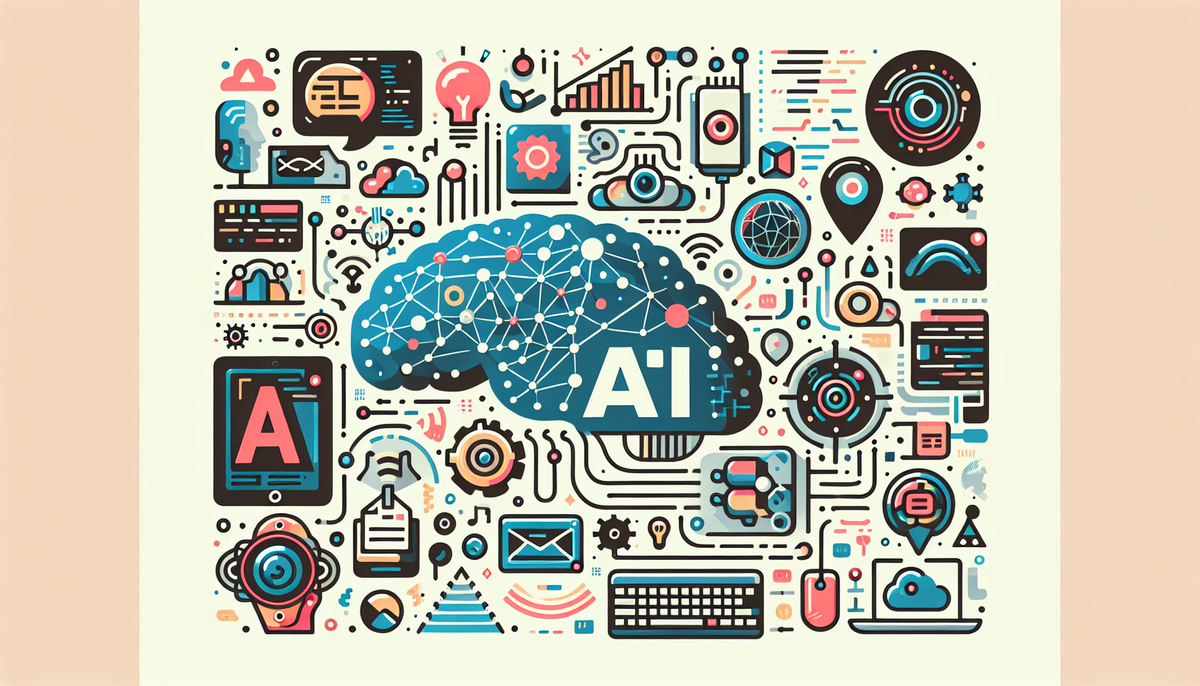
How to Create AI Applications: Start with a Vision
The question of how to create AI applications often looms large for tech enthusiasts eager to dive into the world of artificial intelligence. The future of technology is undoubtedly intertwined with AI, offering transformative potential across industries. Yet, amidst the excitement, infrastructure teams face the challenge of navigating tool sprawl while trying to integrate these advanced technologies.
Defining Goals and Identifying Problems
Setting Clear Objectives
Every successful AI application begins with a clearly defined goal. As emphasized in industry insights, pinpointing the specific problem your app intends to address is crucial. Consider the example of Grammarly, which solves the user need for real-time grammar and style correction, demonstrating the importance of purpose-driven development.
Understanding User Needs
Before building an AI application, it’s vital to understand the target users’ needs. This involves thorough market research and user feedback to ensure the app addresses real-world issues effectively. Whether you're crafting a virtual assistant or a recommendation system, aligning the app's functionality with user expectations is essential.
- Conduct comprehensive market research.
- Gather user feedback to refine app objectives.
- Ensure the application solves a specific, real-world problem.
Utilizing AI Tools and Frameworks
Choosing the Right Tools
The plethora of AI tools available can be overwhelming, but selecting the right ones is essential for developing robust applications. Tools such as OpenAI's GPT and Whisper models are instrumental for creating state-of-the-art systems, including chatbots and content generators. These tools provide the foundation for building intelligent applications efficiently.
Integration with Existing Frameworks
Modern frameworks now seamlessly integrate AI and machine learning technologies, enabling developers to create applications that are not only smart but also secure and personalized. This integration accelerates development time and enhances app capabilities.
- Select AI tools that align with your specific application needs.
- Leverage pre-built models and APIs for faster development.
- Integrate AI seamlessly into existing technology frameworks.
Developing and Testing AI Applications
Iterative Development
Creating AI applications is an iterative process. Designing, building, and testing in a single workspace, as facilitated by platforms like Figma, allows for continuous refinement of the application. This approach fosters innovation and ensures the application meets user expectations.
Testing with Real Data
Testing interactions with live data is critical to understand how the application performs in real-world scenarios. Connecting to a backend for live previews helps fine-tune the app's functionality and user experience.
Ensuring Ethical and Accurate AI
Ethical Considerations
Ethical considerations are paramount in AI application development. Developers must ensure their applications do not perpetuate biases or violate data privacy. These considerations are crucial for maintaining user trust and regulatory compliance.
Focus on Model Accuracy
Ensuring model accuracy is essential for the reliability of AI applications. Continuous monitoring and improvement of AI models are necessary to maintain high standards of performance and user satisfaction.
Future Trends and Considerations
Emerging Technologies
The landscape of AI is rapidly evolving, with new technologies emerging frequently. Keeping abreast of these developments is crucial for leveraging the most effective tools and techniques in application development. Future trends indicate a move towards more personalized and context-aware applications.
Impact on Development Practices
AI is reshaping app development, offering new paradigms for creating intelligent systems. These advances require developers to adapt and innovate in their approach to application design and deployment.
- Stay updated on emerging AI technologies.
- Adopt flexible development practices that accommodate new tools.
- Explore the latest AI technology trends in 2023 for strategic insights.
Practical Steps to Implement AI in Your Applications
The journey of how to create AI applications is one filled with opportunities for innovation and impact. By defining clear goals, utilizing the right tools, and considering ethical implications, developers can create applications that not only meet today’s needs but also anticipate future demands. Whether you're starting a new project or enhancing an existing one, these strategies will guide you in harnessing the power of AI effectively.