How AI is Used in Tech: Shaping the Future Today
Discover how AI is used in tech for automation, decision-making, and more, enhancing industries and shaping future trends.

How AI is Used in Tech: Shaping the Future Today
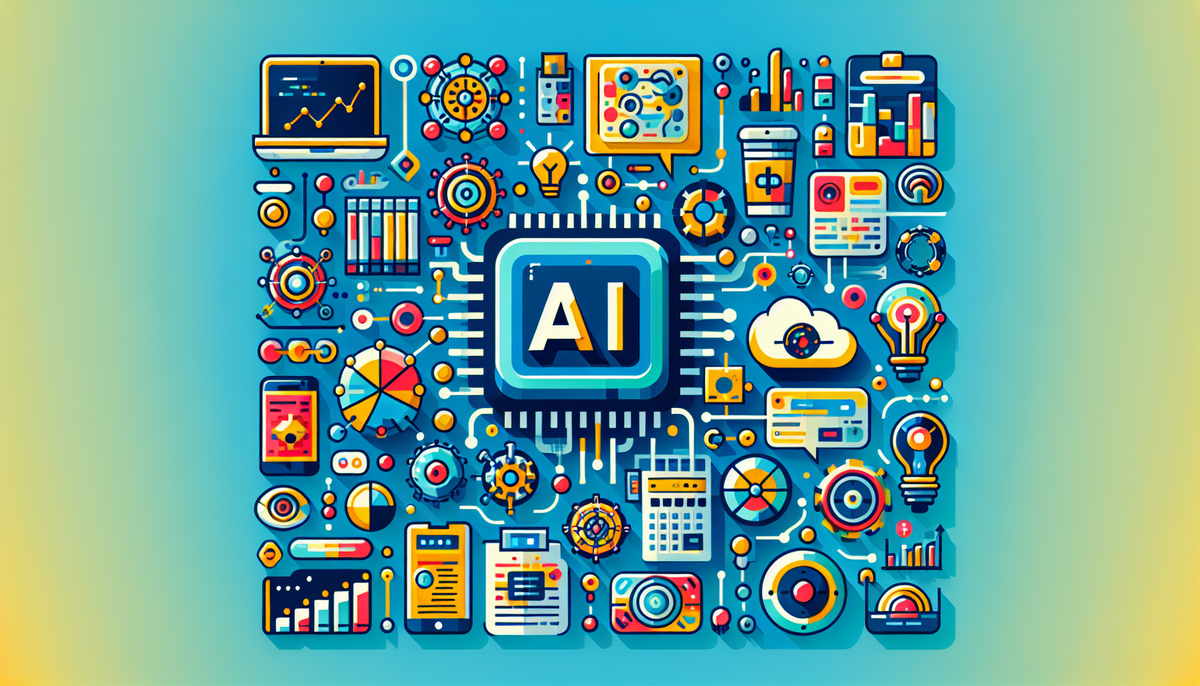
The rise of artificial intelligence in technology is more than just a trend—it's a transformative force reshaping industries. From automating mundane tasks to revolutionizing decision-making processes, AI is setting the stage for a future packed with innovation. Understanding how AI is used in tech today can offer insights into the developments of tomorrow.
How AI is Used in Tech Today
Artificial Intelligence is no longer a futuristic concept; it's a present reality in the tech world. AI's applications in technology stretch far and wide, impacting various sectors significantly.
Automation and Efficiency
AI revolutionizes automation by taking over routine tasks in IT infrastructure management. Whether it's monitoring system performance or troubleshooting issues, AI reduces the workload on human operators and enhances efficiency. McKinsey estimates a potential 30% boost in productivity across industries through AI-driven automation.
Furthermore, AI's role in robotics and manufacturing cannot be underestimated. Machines equipped with AI can work tirelessly, optimizing production lines and minimizing error rates. This advancement has led to faster production times and reduced operational costs for many companies.
Another sector benefiting from AI automation is the supply chain. AI systems predict demand, manage inventory, and even automate ordering processes. These improvements not only save time but also reduce waste, creating more sustainable business practices.
AI is now being integrated into logistics to optimize delivery routes and predict potential disruptions. By analyzing traffic patterns and weather conditions, AI can suggest the most efficient delivery paths. This ensures timely deliveries and enhances customer satisfaction, which is crucial in today's fast-paced market.
Furthermore, AI-powered predictive maintenance in manufacturing helps identify equipment failures before they occur. By minimizing downtime through timely interventions, businesses save on repair costs and maintain production continuity. This proactive maintenance strategy translates to higher profitability and better resource utilization.
In the field of data management, AI automates the collection, analysis, and reporting of large datasets. Businesses leverage AI to derive actionable insights in real-time, allowing for informed decision-making. This capability streamlines operations and fosters a data-driven culture essential for strategic growth.
Enhancing Customer Support
Customer support has seen a significant shift with AI-powered chatbots and virtual assistants. These tools offer 24/7 support, handling multiple queries simultaneously and delivering personalized experiences. This not only improves customer satisfaction but also allows human agents to focus on more complex tasks.
Moreover, AI analytics tools help businesses understand customer sentiment and preferences. By analyzing interactions and feedback, companies can tailor services more precisely, boosting brand loyalty. This customer-centric approach fosters long-term relationships and enhances market positioning.
AI is also stepping into voice recognition technologies, enabling more intuitive customer interactions. These advancements make digital customer service platforms more accessible, particularly for individuals with disabilities or language barriers, broadening the reach of services.
AI-driven sentiment analysis tools are empowering businesses to gauge customer emotions accurately. By dissecting text, voice, and even visual communication, companies are better equipped to respond to customer needs. This enhances the personalization of services, leading to improved customer retention and acquisition rates.
Furthermore, AI's integration with CRM systems allows for a comprehensive overview of customer interactions. By consolidating data from multiple touchpoints, businesses gain a holistic view of customer journeys. This enables tailored marketing strategies and timely interventions that enhance the overall customer experience.
The incorporation of machine learning in chatbots is also making strides in understanding context and nuances. These advanced bots learn from each interaction, continuously improving their responses. This evolution leads to more natural and effective communication, setting new standards in customer service excellence.
AI in Industry-Specific Applications
Various industries are leveraging AI to streamline operations and improve outcomes. Let's examine a few critical areas where AI's presence is increasingly felt.
Energy Sector Innovations
AI is pivotal in the energy sector, where it helps make utility grids smarter and more efficient. By matching system load and supply in near-real time, AI enhances grid resilience, predicts outages, and monitors environmental hazards.
- Smart grid management
- Predictive maintenance
- Environmental monitoring
In addition to grid management, AI assists in optimizing renewable energy sources. By analyzing weather patterns, AI systems improve the efficiency of solar and wind farms. This capability leads to better resource allocation and reduced dependency on fossil fuels.
AI's predictive maintenance solutions extend the lifespan of equipment in the energy sector. By anticipating faults before they occur, companies can schedule timely maintenance, avoiding costly breakdowns and ensuring uninterrupted service delivery.
AI algorithms are also playing a crucial role in energy consumption forecasting. By predicting consumer energy needs, utilities can manage supply more efficiently, reducing waste and optimizing resource usage. This not only satisfies consumer demand but also contributes to sustainable energy practices.
Moreover, AI is facilitating the integration of distributed energy resources into the grid. It helps balance supply from various sources, such as solar panels and wind turbines, ensuring stable energy distribution. This dynamic balance is essential for maximizing renewable energy utilization and minimizing disruptions.
AI is also enhancing energy trading platforms by providing market insights and predictive analytics. Traders use AI-driven models to forecast energy prices and trends, optimizing buying and selling decisions. This leads to more efficient markets and better alignment with global energy demands.
Financial Services and AI
In financial services, AI personalizes customer interactions through chatbots while enhancing fraud detection systems. These innovations not only improve customer experiences but also secure transactions.
- Customer interaction personalization
- Enhanced fraud detection
AI's role in financial analytics is transformative, offering real-time insights into market trends and consumer behavior. These insights help institutions make data-driven investment decisions, maximizing returns and reducing risks.
Investment firms also utilize AI for algorithmic trading, where machines analyze market data and execute orders at optimal times. This technology increases trading efficiency and reduces human error, benefiting both institutions and individual investors.
AI is revolutionizing risk assessment processes within the financial sector. By analyzing extensive datasets, AI models provide more accurate assessments of creditworthiness and risk factors. This enhances decision-making in loan approvals and investment opportunities, reducing potential losses.
In addition to fraud detection, AI is advancing anti-money laundering (AML) processes. By identifying unusual patterns and transactions, AI systems flag potential illicit activities, ensuring regulatory compliance. This proactive approach in AML management helps financial institutions maintain integrity and trust.
AI-enhanced customer service in banking is also seeing a rise, with virtual financial assistants offering investment advice and account management. These AI systems provide personalized suggestions based on customer behavior and financial goals, improving user engagement and satisfaction.
Emerging Trends in AI Technology
The impact of AI in tech is continuously evolving, with emerging trends shaping future implementations.
AI and Predictive Analytics
Predictive analytics is a growing field where AI shines. By processing vast amounts of data, AI models predict trends, enhancing decision-making processes across industries—from marketing to healthcare.
In healthcare, predictive analytics aids in early disease detection by analyzing patient data patterns. AI systems identify high-risk patients, prompting preventive measures and improving patient outcomes. This proactive approach is transforming personalized medicine.
Marketing strategies also benefit from AI-driven predictive analytics. By anticipating consumer trends, businesses can tailor campaigns more effectively, targeting audiences with precision. This capability enhances customer engagement and increases conversion rates.
Retailers are leveraging predictive analytics to optimize inventory management. By forecasting demand, AI helps avoid stockouts and overstock scenarios, improving supply chain efficiency. This ensures better product availability and customer satisfaction.
Moreover, AI-powered predictive maintenance is gaining traction in industrial applications. By predicting equipment failures, AI helps schedule maintenance before breakdowns occur, minimizing downtime and repair costs. This predictive approach enhances operational reliability and asset life.
In the automotive industry, AI predictive analytics is improving vehicle safety and performance. By analyzing driving patterns and environmental data, AI systems provide insights for proactive vehicle maintenance and enhanced driver assistance features. This technology contributes to safer and more efficient transportation.
Augmented Decision-Making
AI augments human decision-making by providing data-driven insights. This capability allows businesses to anticipate customer needs and position themselves competitively in the market.
AI tools offer real-time analytics that help companies respond swiftly to market changes. By identifying new opportunities and potential threats, businesses can adapt strategies promptly, maintaining a competitive edge.
Moreover, AI enhances decision-making