Comprehensive Guide to AI Model Training
Explore a comprehensive guide to AI model training, its impact on modern tech, and what it means for the future of innovation.

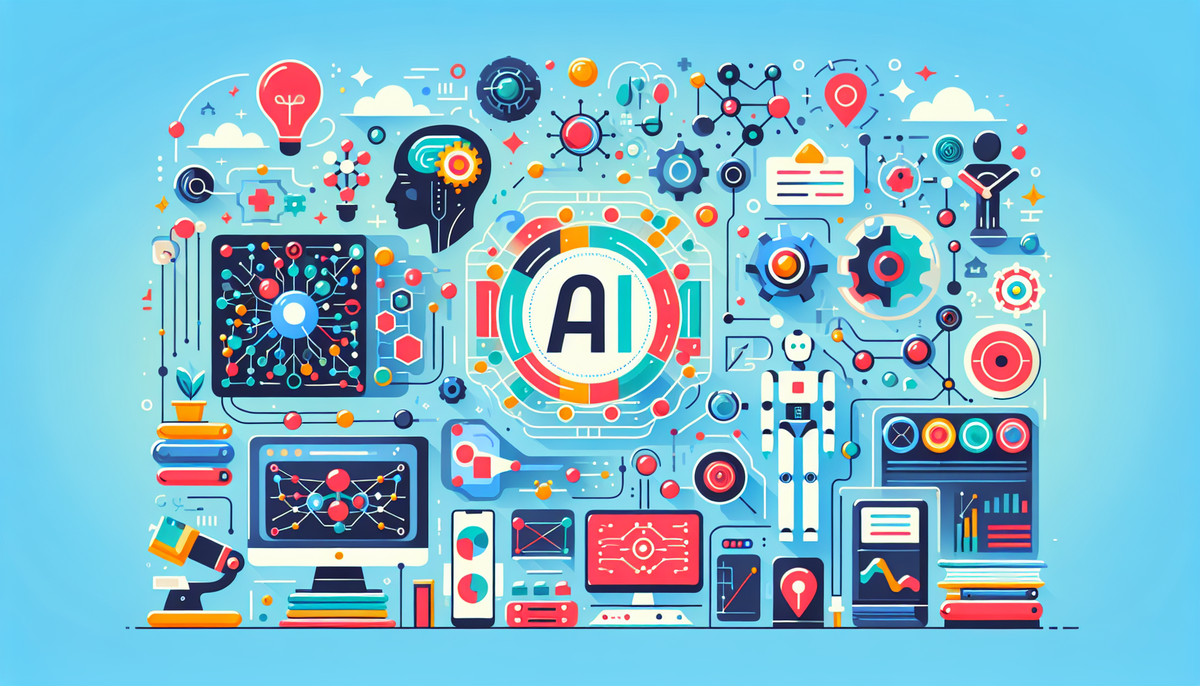
Artificial Intelligence (AI) is reshaping the technological landscape, and understanding the guide to AI model training is crucial for anyone keen on leveraging its full potential. This journey through AI model training will unravel its intricacies, applications, and implications for future innovations.
Understanding AI and Its Modern-Day Applications
The Essence of Artificial Intelligence
At its core, AI is a branch of computer science aimed at creating systems capable of performing tasks that typically require human intelligence. These include visual perception, speech recognition, decision-making, and language translation. The growing integration of AI into everyday technology is evident across various industries, from healthcare to finance, enhancing efficiency and accuracy.
AI in Action: Real-World Examples
AI's applications are vast and diverse. In healthcare, AI algorithms assist in diagnosing diseases such as cancer through advanced imaging techniques. In finance, AI-driven predictive analytics help in fraud detection and risk management. Autonomous vehicles are another significant area where AI is making strides, enabling cars to navigate and make decisions on the road.
The Future of AI Technology
The future of AI promises even more transformative changes. As AI continues to evolve, it is expected to further enhance human capabilities, driving innovation and solving complex global challenges. The integration of AI with other technologies like the Internet of Things (IoT) and blockchain will further expand its potential, ushering in a new era of technological advancement.
Guide to AI Model Training: Key Concepts
What is AI Model Training?
AI model training involves teaching an AI system to recognize patterns and make decisions based on data input. This process is fundamental to developing AI applications that are intelligent and capable of learning from their environment. The training process typically involves feeding large datasets into a machine learning algorithm, allowing it to learn, adapt, and improve over time.
Steps in AI Model Training
Training an AI model involves several critical steps:
- Data Collection: Gathering relevant, high-quality data is the first step in model training. The success of an AI model largely depends on the quality and quantity of data it is trained on.
- Data Preprocessing: This step involves cleaning and organizing data to ensure it is suitable for training. Preprocessing may include handling missing values, normalizing data, and removing duplicates.
- Model Selection: Choosing the right algorithm is crucial. Different algorithms have varying strengths and weaknesses, so selecting the one best suited for the task at hand is critical.
- Training and Testing: The model is trained using a portion of the data, and its performance is tested on another set to evaluate its accuracy and effectiveness.
- Evaluation and Tuning: Finally, the model is evaluated, and parameters are tuned to improve accuracy and performance.
The Role of AI Tools
AI tools play a significant role in simplifying the model training process. Tools like TensorFlow and PyTorch provide frameworks that streamline coding, model building, and deployment. To explore more about AI tools, you can discover the Best AI Tools for Startups in 2024.
Challenges in AI Model Training
Data Privacy and Security
One of the primary challenges in AI model training is ensuring data privacy and security. With large volumes of sensitive data being processed, maintaining stringent security measures is imperative to protect against breaches and ensure compliance with regulations like GDPR.
Bias and Fairness
AI models are only as good as the data they are trained on. If the data contains biases, the model may perpetuate these biases, leading to unfair outcomes. Addressing bias and ensuring fairness in AI systems is an ongoing challenge that requires careful consideration and mitigation strategies.
Scalability and Performance
As AI models become more complex, the need for scalable infrastructure to support their training and deployment increases. Ensuring that AI systems can efficiently handle large-scale data and perform optimally is crucial for their success in real-world applications.
Emerging Trends in AI Model Training
Automated Machine Learning (AutoML)
AutoML is revolutionizing the AI model training process by automating many of the tedious and time-consuming tasks involved. This approach allows developers to focus on higher-level tasks, improving productivity and accelerating the development of AI models.
Explainable AI (XAI)
As AI systems become more prevalent, the need for transparency and explainability in their decision-making processes is growing. XAI aims to make AI models more understandable to humans, facilitating trust and accountability in AI-driven decisions.
Federated Learning
Federated learning is an innovative approach to AI model training that allows models to be trained across decentralized devices without sharing raw data. This technique enhances privacy and security, making it particularly useful in sensitive applications like healthcare.
Conclusion
This guide to AI model training highlights the critical components and challenges of developing intelligent systems. As AI continues to shape the future of technology, understanding its training process is essential for leveraging its full potential. By staying informed and adopting best practices, tech enthusiasts and professionals can harness AI's transformative power to drive innovation and solve complex challenges. For more insights, discover the Best AI Tools for Startups in 2024.