AI Technology in Transportation: Transforming the Future
Explore how AI technology in transportation is revolutionizing efficiency and safety, paving the way for a smarter, more connected future of mobility.

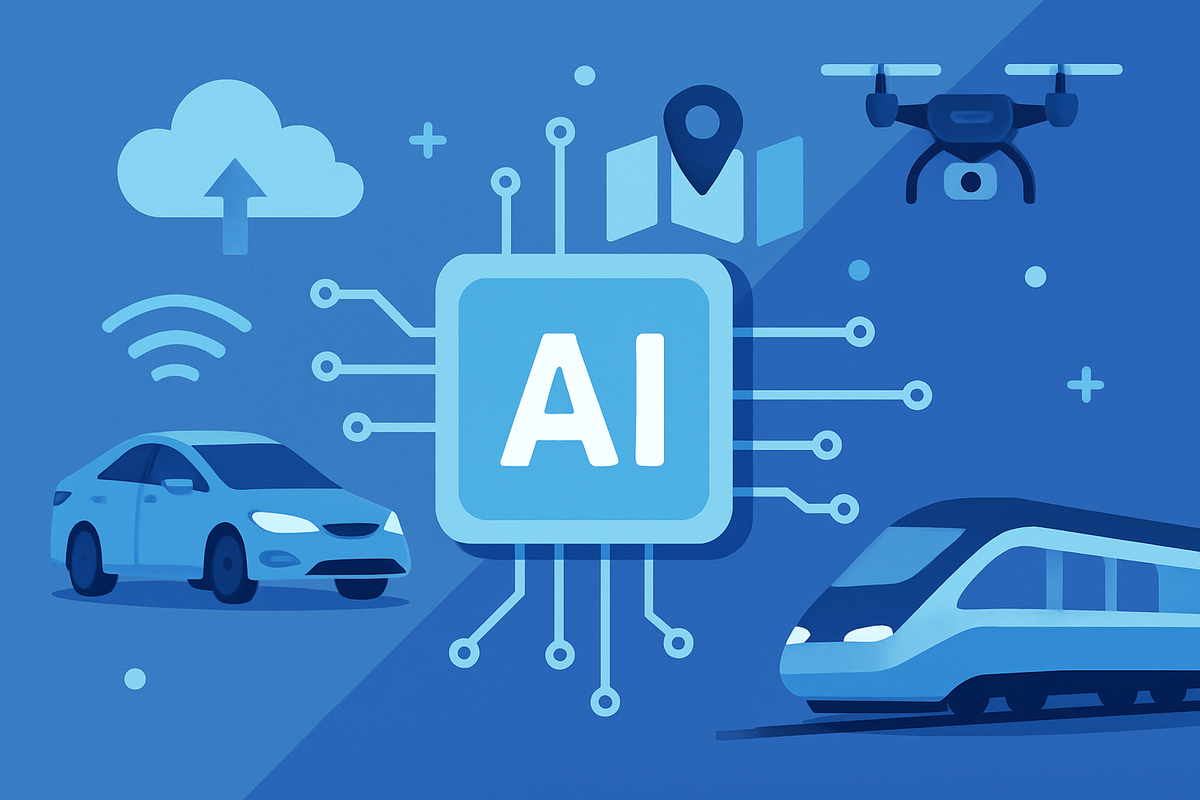
AI Technology in Transportation: The Road Ahead
AI Technology in Transportation: The Next Step Forward
Transportation is on the brink of a revolution, driven by AI technology that promises to reshape how we move. As cities become more congested and the demand for efficient transit systems rises, AI technologies emerge as a critical tool to optimize and innovate the way we travel. From autonomous vehicles to predictive maintenance, AI technology in transportation is not just a trend; it’s a transformative force.
AI in transportation isn't limited to vehicles; it's reshaping public transport infrastructure. Intelligent systems improve scheduling and reduce delays, enhancing commuter experiences. These systems optimize the allocation of resources, ensuring maximum efficiency in daily operations.
The adoption of AI is not without its challenges, but the potential benefits far outweigh the hurdles. AI aids in reducing operational costs and enhancing service reliability. This ability to streamline operations is particularly crucial in high-density urban environments.
Moreover, AI technology contributes to environmental sustainability. Reducing emissions and maximizing efficiency are central to modern transportation strategies. As we move towards greener solutions, AI plays a pivotal role in achieving these objectives.
Autonomous Vehicles: Driving Change
Redefining Mobility
Autonomous vehicles stand at the forefront of AI technology in transportation. These self-driving cars use cutting-edge machine learning algorithms and sensors to navigate roads with minimal human intervention. Companies like Tesla and Waymo are pioneering this technology, aiming to reduce accidents caused by human error and increase transportation efficiency.
Autonomous vehicles provide significant advantages, including improved safety and reduced travel times. Automated systems respond quicker than humans to avoid accidents. This efficiency translates into smoother traffic flow, reduced congestion, and fewer delays for commuters.
The transition to autonomous vehicles requires thorough testing and development of supportive infrastructure. Roadways need modernization to communicate effectively with these vehicles. Policies and regulations must adapt to support this evolving technology, ensuring safety and compliance.
As autonomous technology matures, it may open new avenues for mobility services. Ride-sharing platforms could integrate autonomous fleets, offering flexible and cost-effective transportation options. Such developments could transform urban commuting, reducing the dependency on personal vehicles.
The deployment of autonomous vehicles also presents new opportunities for last-mile delivery solutions. Companies explore integrating AI-driven vehicles to automate deliveries, enhancing logistical efficiency. This innovation could significantly reduce delivery times and costs.
Autonomous vehicles could potentially lead to a decline in personal car ownership. With efficient and accessible shared services, the need for personal vehicles may decrease. This shift could result in less urban congestion and a smaller environmental footprint.
Impact on Urban Planning
Beyond individual mobility, autonomous vehicles have the potential to significantly impact urban planning. By reducing the need for large parking spaces and promoting ride-sharing, these vehicles could lead to more efficient use of urban spaces. Cities could see decreased traffic congestion and lower emissions as a result.
- Reduced traffic congestion
- Lower emissions
- Efficient urban space utilization
Autonomous vehicle technology facilitates more eco-friendly city designs. With fewer cars on the road, areas can be repurposed for parks and pedestrian zones. This shift could improve residents' quality of life and promote healthier environments.
Urban planners see an opportunity to integrate smart solutions alongside autonomous vehicles. These innovations include smart traffic lights and integrated public transport systems, providing seamless connectivity and enhancing the city's overall efficiency.
The integration of autonomous vehicles could encourage the development of mixed-use neighborhoods. With efficient transportation solutions, residential and commercial spaces can coexist without reliance on extensive road networks. This approach supports sustainable urban growth and community development.
By leveraging autonomous technology, urban planners can refine zoning laws to support sustainable practices. These changes could lead to denser urban cores surrounded by expansive green spaces. Such transformation enhances urban livability and environmental resilience.
Autonomous vehicles might also drive innovation in public transportation models. Bus rapid transit systems could utilize self-driving buses, offering frequent and reliable service. This evolution in public transit could make it a more attractive choice for urban dwellers.
Predictive Maintenance: Keeping the Wheels Turning
Enhancing Efficiency
Predictive maintenance uses AI algorithms to anticipate vehicle maintenance needs before they become critical. This proactive approach minimizes downtime and ensures that public transportation systems run smoothly. By analyzing data from sensors and historical maintenance records, AI can forecast when a part might fail and schedule repairs accordingly.
Predictive maintenance enhances fleet reliability and service quality. Early detection of potential issues prevents costly breakdowns. Transportation companies can improve customer satisfaction by maintaining punctual schedules and reducing service disruptions.
Implementing AI-driven maintenance strategies reduces environmental impact. By optimizing part replacements and maintenance schedules, resources are conserved. This approach is not only cost-effective but also aligns with sustainable practices in the transportation industry.
By utilizing predictive maintenance, companies can allocate resources more efficiently. Maintenance teams can prioritize tasks based on urgency, optimizing labor allocation. This efficiency translates into cost savings and improved service levels.
Predictive maintenance systems can integrate with supply chain management. By predicting part wear and needs, companies can better manage inventory levels. This integration minimizes waste and ensures parts are available as needed.
Advanced analytics enable the continuous improvement of maintenance processes. By learning from historical data, systems can refine their predictions over time. This adaptability ensures ongoing enhancements in transportation reliability and performance.
Real-world Applications
In practice, companies employ predictive maintenance to keep buses, trains, and delivery fleets operational. This not only saves costs associated with unexpected repairs but also extends the life of the vehicles, presenting a win-win for operators and passengers alike.
- Increased vehicle uptime
- Cost savings on repairs
- Extended vehicle lifespan
Several multinational corporations have successfully integrated predictive maintenance into their operations. These companies report significant reductions in operational costs and vehicle downtime. As a result, they gain a competitive edge and customer loyalty in the market.
The role of AI in predictive maintenance is set to expand further. Advances in sensor technology and analytics will enhance predictive capabilities. This progress promises even greater efficiency and reliability in transportation systems worldwide.
Incorporating AI into maintenance strategies has seen positive impacts in aviation. Airlines use predictive analytics to maintain aircraft, reducing delays and cancellations. This success demonstrates the scalability and efficacy of AI-driven maintenance solutions.
Railway operators benefit from predictive maintenance through reduced service interruptions. By anticipating rail and equipment failures, they can schedule repairs during off-peak times. This scheduling reduces passenger inconvenience and operational disruption.
The flexibility of predictive maintenance systems supports their application across various transportation modes. As industries recognize these benefits, adoption rates rise. This trend reflects a shift towards more intelligent and efficient transport solutions globally.
Traffic Optimization: Navigating the Flow
Using Real-Time Data
Traffic optimization is another crucial area where AI technology in transportation shines. By analyzing real-time data from various sources, AI systems can dynamically adjust traffic signals, suggest alternative routes, and improve overall traffic flow. This leads to reduced travel times and a more efficient use of road networks.
AI facilitates intelligent traffic management, reducing congestion and improving commute times. Data from IoT devices and connected vehicles provides insights for dynamic traffic regulations. The result is a more responsive and adaptable transportation infrastructure.
Efficient traffic management contributes to environmental sustainability. By optimizing vehicle flow, emissions are minimized, reducing urban air pollution. This improvement supports cleaner and healthier living conditions for city inhabitants.
Real-time traffic management systems can integrate with public transportation networks. This integration allows buses to adjust routes based on traffic conditions. Such flexibility improves service reliability and commuter satisfaction.
AI-driven traffic solutions include the use of advanced algorithms to predict congestion patterns. These predictions facilitate the proactive management of road networks, reducing bottleneck events. This capability is vital for maintaining efficient urban mobility.
Traffic optimization through AI also involves managing pedestrian and cyclist flows. By ensuring smooth vehicular flow, these systems can allocate safe crossing times for pedestrians. This aspect enhances overall traffic safety and promotes sustainable transport options.
AI-based Solutions
Technologies like Google Maps and Waze utilize AI to provide real-time traffic updates and route suggestions. They consider current traffic conditions, accidents, and roadworks to offer the best possible travel experience.
Additionally, municipalities are integrating AI systems into their traffic management centers, further streamlining traffic control and incident response.
AI-driven traffic solutions extend beyond navigation apps. Automated Incident Detection Systems (AIDS) identify accidents and alert emergency services, reducing response times. This increased level of automation ensures safer and more efficient road usage.
Transportation authorities are investing in AI to enhance infrastructure resilience. AI models predict traffic patterns and identify potential bottlenecks, enabling preemptive action. This foresight reduces congestion and enhances commuter experience across urban landscapes.
AI-driven smart city initiatives incorporate traffic optimization as a core component. By integrating mobility data across platforms, cities can enhance connectivity and efficiency. This holistic approach supports sustainable urban growth and improved quality of life.
Developers are exploring AI-powered automated traffic enforcement systems. These systems improve compliance with traffic regulations, enhancing road safety. Such innovations reduce human intervention in traffic management, promoting fairness and consistency.
Ethical and Technical Challenges
Addressing Concerns
Despite its transformative potential, AI technology in transportation