AI Technology in Healthcare: Current Uses and Future Trends
Explore how AI technology in healthcare enhances diagnostics and treatment, while shaping future trends. Discover its impact on patient care and beyond.

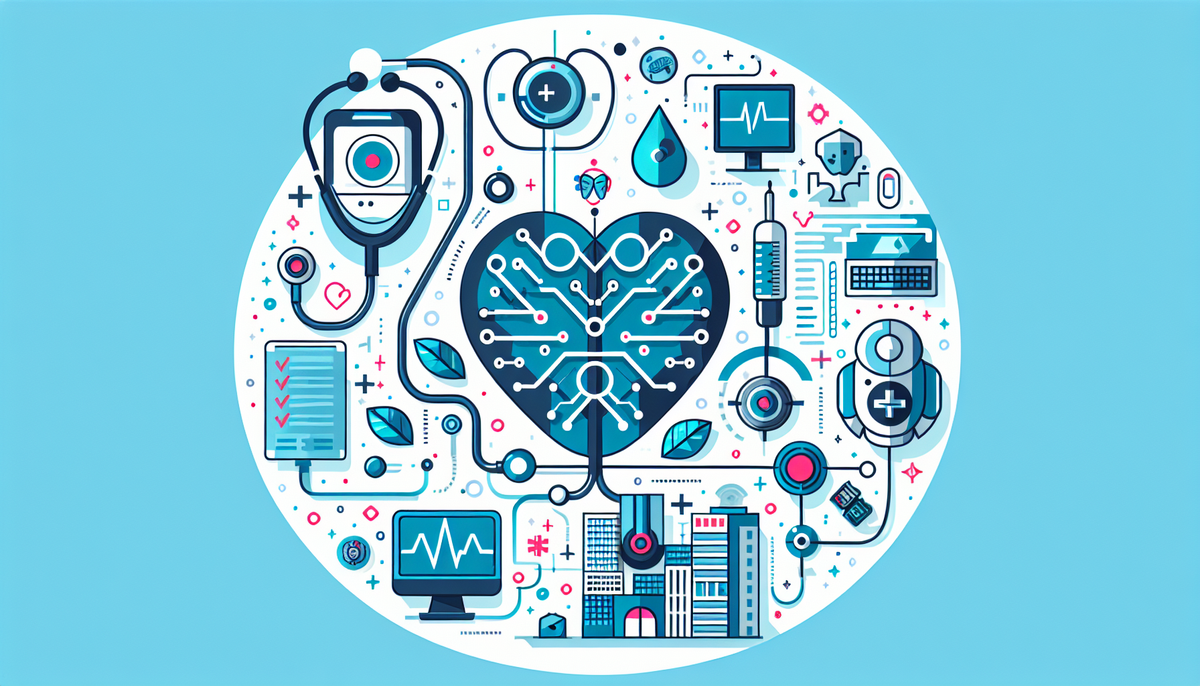
AI Technology in Healthcare: The New Frontier
Artificial intelligence is more than just a buzzword—it's a transformative force in healthcare. As hospitals and clinics strive to improve patient outcomes, AI technology in healthcare is emerging as a critical tool. But what does this mean for the future, and how are current applications paving the way for what's next?
The Role of AI in Diagnosing and Treating Patients
Enhancing Diagnostics with AI
AI technology in healthcare is significantly improving diagnostic processes. By using machine learning algorithms, AI can analyze complex medical data swiftly and accurately. An example includes AI software identifying patients at high risk for conditions like sepsis, allowing for proactive care.
Additionally, AI-driven imaging analysis tools are transforming radiology. These tools can detect anomalies in X-rays, MRIs, and CT scans with precision, aiding radiologists in diagnosing conditions like tumors and fractures faster than before. This accelerates diagnosis and enhances the accuracy of medical assessments.
Moreover, AI's predictive capabilities are being leveraged to foresee potential health deteriorations, prompting timely interventions. This preemptive approach not only saves lives but also optimizes healthcare resources by reducing emergency admissions.
Personalized Treatment Plans
AI enables the personalization of treatment plans by analyzing patient data, which includes genomics and phenotypic information. This individualized approach ensures that patients receive optimal care tailored to their unique needs.
Furthermore, machine learning algorithms are employed to evaluate treatment efficacy across diverse populations, ensuring treatments are adjusted based on real-time data feedback. This adaptability is vital in chronic disease management and rehabilitation therapies, where personalized care significantly impacts outcomes.
AI also facilitates real-time treatment monitoring and adjustment. With wearable devices sending continuous data to AI systems, clinicians can modify treatment plans dynamically, ensuring they remain effective and relevant to the patient's current health status.
- Machine learning enhances diagnostics accuracy.
- AI personalizes treatment plans based on patient data.
- AI helps in monitoring and managing chronic diseases.
AI in Healthcare Operations: Streamlining Administration
Automating Administrative Tasks
AI applications are not limited to direct patient care. They extend to administrative tasks, improving efficiency and reducing workload. AI can handle tasks such as medical coding, billing, and documentation, allowing healthcare professionals to focus more on patient care.
Moreover, AI chatbots and virtual assistants are revolutionizing patient interaction by managing appointment bookings, answering common queries, and even conducting follow-up consultations. This automation not only enhances patient satisfaction but also alleviates the administrative burden on staff.
AI-driven analytics also provide insights into patient flow and service demand patterns. By predicting peak times and resource strains, healthcare facilities can optimize staff deployment and resource allocation, ensuring smoother operations and reduced wait times for patients.
Improving Operational Efficiency
Healthcare organizations are leveraging AI to streamline operations, leading to cost savings and improved service delivery. Automated systems can manage inventory, schedule staff, and optimize resource allocation, driving efficiency.
AI-based predictive maintenance systems for medical equipment ensure that devices are operational and safe. By forecasting potential failures, these systems minimize downtime and repair costs, maintaining high standards of care delivery.
Furthermore, AI tools can enhance patient discharge processes, ensuring that all necessary information is accurately communicated and documented, reducing readmission rates and improving overall healthcare quality.
- AI automates routine administrative tasks.
- Streamlined operations improve hospital efficiency.
- AI-driven analytics lead to better resource management.
Challenges and Ethical Considerations
Data Privacy and Security
With AI's integration into healthcare, there are challenges regarding data privacy and security. It's crucial to ensure that patient data is protected against breaches, requiring robust security measures.
Moreover, ensuring data anonymity and minimizing the risk of breaches through advanced encryption technologies is vital. Healthcare institutions must foster a culture of data security awareness among all stakeholders to safeguard patient trust.
Integrating blockchain technology with AI can offer additional layers of security, creating immutable records that enhance data integrity and transparency, providing both patients and practitioners with peace of mind.
Regulatory Oversight
AI technology in healthcare demands regulatory oversight to address issues like bias, transparency, and liability. Ensuring trust in AI systems is essential for widespread adoption, with regulations evolving to keep pace with technological advancements.
Establishing clear guidelines and accountability frameworks for AI's use, especially in clinical settings, is crucial. These frameworks must address the ethical implications of decision-making autonomy granted to AI systems.
Collaboration between tech developers, healthcare providers, and policymakers is necessary to develop comprehensive standards that align AI innovations with ethical healthcare delivery, ensuring patient welfare remains paramount.
Healthcare institutions are gradually adopting AI, with regulatory frameworks playing a crucial role in ensuring safe and ethical integration.
Emerging Trends: AI's Future in Healthcare
Interoperability and Data Sharing
The future of AI in healthcare lies in interoperability, allowing different systems to communicate and share data effectively. This will enhance AI's ability to provide insights and improve patient care.
Enhanced interoperability will facilitate collaborative healthcare research, enabling a more comprehensive understanding of population health trends and individual patient needs.
Initiatives towards standardized data formats and protocols will be critical in overcoming current interoperability barriers, paving the way for seamless multi-system integration and enhanced patient care delivery.
AI and IoT: A Powerful Combination
Integrating AI with the Internet of Things (IoT) can revolutionize healthcare by enabling real-time monitoring of patients through interconnected devices. This synergy promises to enhance patient outcomes and streamline healthcare delivery.
IoT devices equipped with AI capabilities can offer predictive insights, helping caregivers anticipate patient needs and manage chronic conditions proactively.
As the adoption of IoT devices grows, the convergence with AI will lead to smart hospitals where real-time data drives decision-making processes, optimizing everything from patient care to facility management.
Emerging trends indicate a shift towards AI-powered analytics and treatment, driven by innovations in IoT and mobile technologies.
Taking the Next Steps with AI in Healthcare
For healthcare providers, embracing AI technology isn't just about adopting new tools—it's about ensuring they're integrated safely and effectively. Considerations include data sovereignty, ethical implications, and patient privacy. By staying informed and proactive, stakeholders can harness AI's full potential in transforming patient care.
Engaging in continuous education and training programs on AI tools is essential for healthcare providers to remain agile and knowledgeable about the latest advancements and regulatory changes.
As AI technology evolves, fostering a multidisciplinary approach that includes feedback from medical professionals, AI experts, and patients will be key to achieving a balanced and effective integration in healthcare settings.
Ready to explore more? Check out our resources on new AI technologies and AI vs Machine Learning for further insights.