
AI Technology in Agriculture: Future Trends and Implications
Explore how AI technology in agriculture enhances efficiency, precision, and sustainability. Discover emerging trends and future implications.

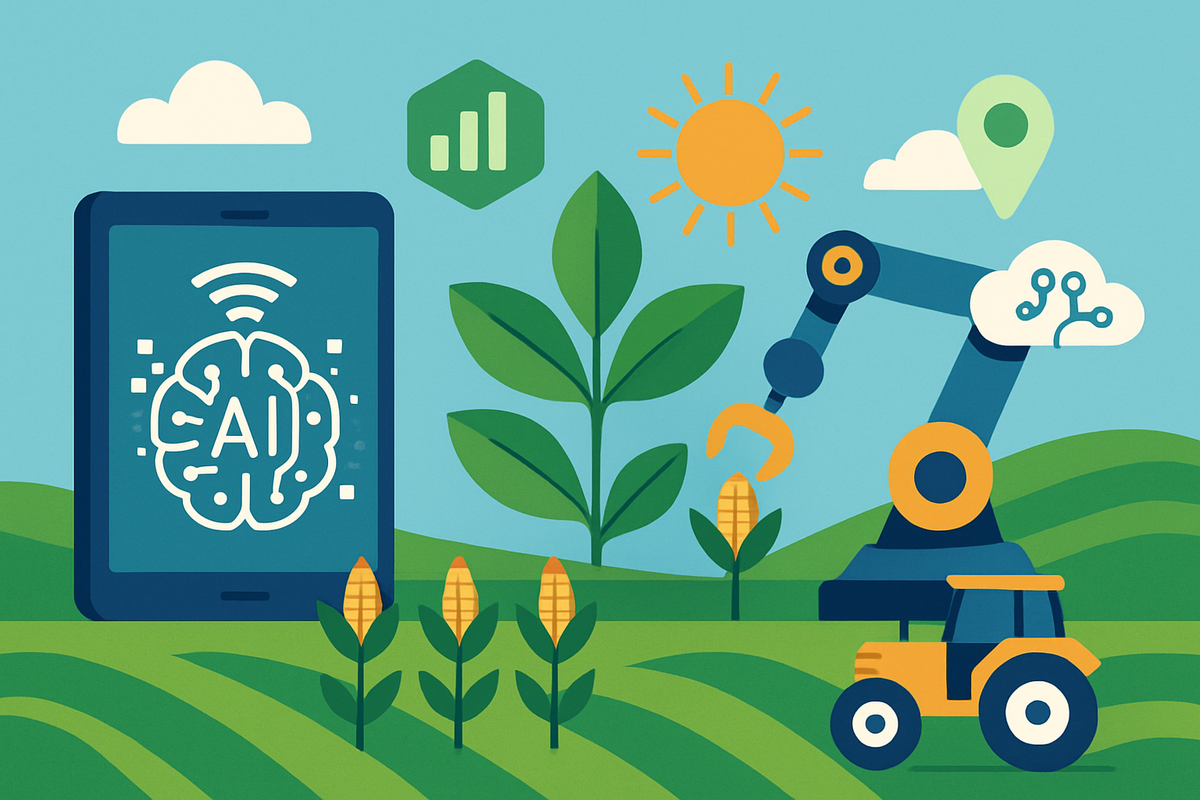
AI Technology in Agriculture: Future Trends and Implications
As the world faces the dual pressures of rising population and climate change, AI technology in agriculture emerges as a beacon of innovation and necessity. This transformation is not only about making farming smarter but also about securing the future of global food supply.
AI Technology in Agriculture: Precision and Efficiency
AI technology in agriculture has redefined the concept of precision farming. By analyzing vast amounts of data from soil sensors, satellite imagery, and weather forecasts, AI helps farmers optimize nutrient levels, water usage, and pest control. This ensures higher crop yields with fewer resources.
Precision Farming Techniques
Precision farming uses AI-driven algorithms to process data collected from various sources, such as sensors and satellite images. This data helps in:
- Optimizing the use of fertilizers and pesticides to enhance soil health.
- Maximizing water efficiency through precise irrigation practices.
- Predicting crop diseases to prevent costly outbreaks.
Beyond these foundational techniques, AI integrates weather data to forecast optimal planting periods. This ensures that crops are sown under the most favorable conditions, maximizing growth potential. Farmers can then tailor their planting schedules more accurately to avoid adverse weather, which often results in crop loss.
Moreover, precision agriculture allows for micro-nutrient management. By identifying specific nutrient deficiencies in sections of a field, AI technology enables targeted interventions. This reduces overall fertilizer use, which is both cost-effective and environmentally friendly. Such precision contributes significantly to maintaining soil health over the long term.
Another aspect of precision farming is the capacity for real-time monitoring. Farmers receive immediate feedback on crop conditions, allowing them to make timely decisions. This responsiveness is crucial for addressing sudden pest infestations or nutrient deficits, thereby safeguarding yields against unexpected challenges.
AI-Driven Machinery Automation
AI automates machinery, transforming traditional farming practices. Drones, for example, use AI to monitor crop health and apply treatments exactly where needed. This targeted approach reduces waste and optimizes resource management.
The advent of AI-powered tractors and harvesters highlights another leap in automation. These machines can operate autonomously, planting seeds and harvesting crops with precision that surpasses human capability. This reduces the labor demand on farms and ensures consistency in farming operations, regardless of human resource availability.
Furthermore, autonomous machinery is equipped with sensors that provide real-time feedback on soil conditions and crop health during operations. This data is invaluable for adjusting farming strategies on the go. Farmers can make informed decisions swiftly, enhancing the overall productivity and sustainability of their operations.
The benefits of automation extend to energy savings as well. AI-powered machines optimize fuel use by planning the most efficient routes across fields. This not only reduces operational costs but also lessens the environmental impact of farming activities. Efficiency gains from automation contribute to both economic and ecological advantages.
Embedding AI in Agricultural Operations
AI technology in agriculture is not limited to crop management. It is also deeply embedded in day-to-day operations, enhancing decision-making and strategic planning for farmers.
Predictive Analytics for Market Trends
AI analyzes market trends and weather patterns to provide farmers with predictive insights. By understanding future market demands, farmers can make informed decisions about planting and harvesting, aligning their output with market needs.
These predictive analytics also help farmers anticipate price fluctuations in the market. By analyzing historical data alongside current trends, AI systems can forecast price movements, enabling farmers to sell their produce at optimal times. Such strategic selling can significantly improve profit margins.
In addition to pricing strategies, AI aids in demand forecasting. Farmers can adjust their production plans based on projected consumer demand, reducing the risk of overproduction or shortages. This alignment with market needs helps stabilize supply chains and ensures food availability.
AI-driven market insights are invaluable for diversifying crop portfolios. By tracking emerging consumer preferences, farmers can explore new crop varieties that align with market trends. This diversification not only meets consumer demand but also strengthens the farmer's market position by reducing reliance on a single crop.
Advanced Livestock Management
AI is revolutionizing livestock management by monitoring animal health and behavior. Sensors and cameras equipped with computer vision detect signs of illness early, reducing the spread of disease and ensuring a healthier livestock population.
Beyond health monitoring, AI facilitates precision feeding in livestock management. By analyzing individual animal needs, AI systems provide tailored feeding regimens that optimize growth and health. This customization reduces feed waste and maximizes nutritional efficiency, supporting sustainable livestock practices.
AI also enhances breeding programs through predictive analytics. By evaluating genetic data, AI can identify traits that contribute to healthier and more productive livestock. Farmers can make informed breeding choices, leading to gradual improvements in herd quality over generations.
Moreover, AI technologies improve resource allocation in livestock operations. By mapping pasture use and monitoring animal movement, farmers can optimize grazing patterns. This ensures sustainable pasture management and improves the overall productivity of livestock operations.
Environmental Impact and Sustainability
One of the most significant advantages of AI technology in agriculture is its potential to reduce the environmental footprint of farming practices. By optimizing inputs and reducing waste, AI contributes to more sustainable farming methods.
Reducing Waste and Environmental Footprint
AI-driven technologies minimize waste by ensuring precise application of inputs. This not only conserves resources but also reduces runoff, which can lead to water pollution.
- Smart irrigation systems use AI to adjust water usage based on real-time data.
- AI models predict weather patterns, helping farmers prepare for extreme conditions.
The precision offered by AI systems is particularly beneficial in battling climate change. By reducing methane emissions from over-fertilization, AI contributes to lowering agricultural greenhouse gases. This aligns with global efforts to mitigate climate change impacts.
AI models can simulate the effects of various agricultural practices on ecosystems. This simulation capability guides farmers in adopting the most sustainable practices, minimizing negative environmental impacts. Such informed approaches promote biodiversity and sustain ecosystem services.
Implementing AI-driven waste management practices helps in resource recycling. Agricultural waste can be transformed into valuable inputs, such as compost, with AI systems identifying and managing waste streams effectively. This circular approach to resource use supports long-term sustainability goals.
Data Sovereignty and Security
With the increased use of digital tools in agriculture, data sovereignty becomes crucial. Farmers need to ensure that their data is secure and used ethically. AI tools must be transparent and adhere to best practices for data privacy.
Ensuring data ownership provides farmers with the autonomy to control how their information is used. AI platforms are increasingly offering customizable data governance options, empowering farmers to make informed choices about data sharing and utilization.
Security measures are advancing with AI technology, offering sophisticated encryption and authentication protocols. This ensures that sensitive farm data is protected against unauthorized access, sustaining farmer trust in digital solutions.
Ethical considerations are at the forefront of AI use in agriculture. Transparent algorithms that farmers can understand and trust are vital for fostering technology adoption. Clear ethical guidelines help maintain the integrity of data use in agricultural ecosystems.
AI Technology and the Future of Agriculture
AI technology in agriculture holds the promise of revolutionizing food production and ensuring food security. As AI tools become more accessible and affordable, even smallholder farmers can benefit from advanced technologies.
Challenges and Opportunities
While AI offers numerous opportunities, challenges such as data ownership, technology adoption, and training remain. Farmers must be educated on using these tools effectively and ethically.
Bridging the technology gap requires investment in infrastructure and internet connectivity. Rural areas need reliable access to these technologies to participate fully in the AI-driven agricultural revolution. Collaborative efforts between governments and private sectors can facilitate this development.
AI provides opportunities for creating new agricultural business models. Startups and technology providers can partner with farmers to develop tailored solutions, fostering innovation in the agricultural sector. These partnerships are crucial for scaling AI applications across diverse farming landscapes.
Opportunities for AI in agriculture also include developing more resilient crop varieties. By leveraging genetic data analytics, AI can contribute to breeding crops that withstand adverse climate conditions, securing food supply in challenging environments.
Integration with Emerging Technologies
AI in agriculture will continue to evolve alongside other technologies like IoT and robotics. These integrations will enhance the capabilities of AI, offering new solutions for age-old problems in agriculture.
The convergence of AI with IoT facilitates the creation of smart farming environments. Sensors distributed across farms gather data, feeding into AI systems for real-time analysis. This integration delivers actionable insights that can immediately improve farming practices.
Robotics complements AI by handling labor-intensive tasks, such as harvesting and planting, with precision and speed. When paired with AI, robots can adapt to changing conditions, enhancing their utility on farms. This combination promises to revolutionize labor dynamics in agriculture.
Blockchain technology, when integrated with AI, can enhance traceability within agricultural supply chains. AI systems analyze blockchain data to ensure transparency and authenticity, enhancing consumer trust in food products. This integration supports fair trade and sustainable sourcing practices.
Taking Action: Incorporating AI into Your Agricultural Practices
To successfully integrate AI technology in agriculture, consider the following actionable steps:
- Evaluate existing tools and assess their potential impact on your operations.
- Invest in training to understand and leverage AI tools effectively.
- Engage with AI and agricultural technology providers to explore bespoke solutions.
By staying informed and proactive, farmers can harness AI technology not only to enhance their productivity but also to contribute to a sustainable agricultural future. Explore AI applications further and discover AI ethics in agriculture.