AI in Everyday Technology: Trends Shaping the Future
Explore how AI in everyday technology is enhancing efficiency and personalization, impacting industries like healthcare and entertainment.

AI in Everyday Technology: A Transformative Era
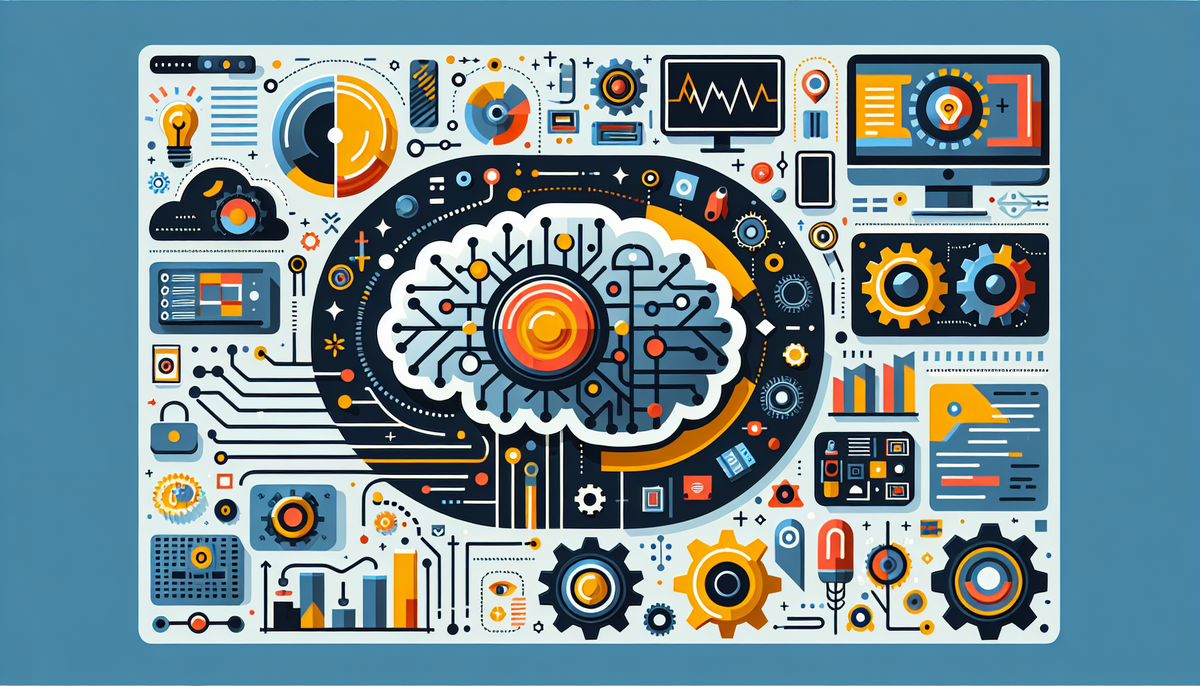
Artificial Intelligence (AI) is rapidly embedding itself into our daily lives, enhancing efficiency and personalization in ways we never imagined. From smartphones to smart home devices, AI is now a staple in modern technology, impacting industries such as healthcare and entertainment. But what does this pervasive integration mean for the future? This article explores the role of AI in everyday technology and its transformative impact.
The Rise of AI in Daily Devices
Smartphones and Digital Assistants
Smartphones, equipped with AI, have become more than communication tools. They offer personalized recommendations, improve battery life, and enhance security features through facial recognition. Digital assistants like Siri, Alexa, and Google Assistant use AI to understand and respond to user queries, making everyday tasks quicker and more efficient.
Moreover, AI enables these devices to learn from user interactions, enhancing user experience over time. This learning process allows devices to anticipate user needs, providing proactive suggestions. As these assistants evolve, they will increasingly serve as integral parts of our daily routines, handling complex tasks with ease.
AI also plays a critical role in enhancing accessibility features on smartphones. Voice recognition technology allows users with disabilities to interact with their devices more effectively. By interpreting voice commands, AI opens up new avenues for individuals to engage with technology independently.
As AI technology advances, smartphones are also becoming essential tools in personal health management. Applications can now track health metrics and provide insights into physical wellbeing. These innovations empower users to take charge of their health, making proactive lifestyle changes based on data-driven feedback.
In the realm of mobile photography, AI enhances image processing with features like real-time scene recognition and advanced editing tools. These enhancements allow even amateur photographers to capture high-quality images effortlessly. The integration of AI in photography continues to push creative boundaries, offering users new ways to express themselves visually.
Furthermore, AI is improving mobile security beyond facial recognition. Behavioral biometrics, such as typing patterns and app usage, enhance device security. These methods help protect sensitive information, ensuring that user data remains secure in an increasingly connected world.
Smart Home Devices
AI-driven smart home gadgets are a game-changer. They can adjust lighting, temperature, and security settings based on user preferences. Imagine coming home to a house that knows your ideal temperature and favorite music playlist. This level of automation not only enhances comfort but also contributes to energy efficiency.
Further advancements in AI are enabling these devices to understand and predict user behavior more accurately. For instance, your smart thermostat might learn your schedule and adjust temperatures to optimize energy use. These enhancements lead to significant cost savings in energy bills over time.
Additionally, AI integrates seamlessly with other smart home systems, creating a cohesive network of interconnected devices. This interoperability enables users to control various aspects of their home environment through a single interface. As a result, managing household tasks becomes simpler and more intuitive.
Security systems have also seen transformative changes due to AI integration. Modern security cameras equipped with AI can recognize familiar faces and detect unusual activities, alerting homeowners instantly. This proactive approach to security ensures peace of mind, knowing that the home is monitored intelligently.
The use of AI in domestic robots is also gaining traction. Robots that can vacuum, mow lawns, or even prepare meals are being developed with advanced AI capabilities. These robots aim to reduce the burden of mundane chores, giving individuals more time to focus on what truly matters.
Moreover, smart kitchens are utilizing AI to streamline cooking processes. From suggesting recipes based on available ingredients to monitoring cooking times, AI assists in making cooking more efficient and enjoyable. These smart kitchen tools are revolutionizing how we approach meal preparation, making it more accessible and convenient.
AI's Impact on Key Industries
Healthcare Innovations
AI's role in healthcare is profound. It powers predictive analytics for patient care, improves medical imaging, and assists in personalized treatment plans. By analyzing vast datasets, AI can predict patient outcomes and suggest interventions, ensuring timely care.
AI in diagnostics enhances accuracy and reduces human error. For instance, AI algorithms can now detect anomalies in medical scans more accurately than human radiologists, leading to early intervention and better patient outcomes.
Furthermore, AI is enhancing drug discovery processes. By simulating complex biological processes, AI helps identify potential drug candidates more efficiently. This acceleration in research shortens development timelines, bringing life-saving medications to market faster.
AI-driven telemedicine platforms are transforming patient-doctor interactions. These platforms facilitate remote consultations, providing medical advice and monitoring without the need for physical appointments. This shift not only improves access to healthcare but also reduces strain on medical facilities.
In the realm of mental health, AI tools are being developed to assist in therapy and patient support. Virtual counselors and chatbots can offer preliminary emotional support, making mental health resources more accessible. These AI tools complement traditional therapy, offering continuous support to individuals in need.
AI is also playing a critical role in managing healthcare logistics. By optimizing supply chain operations, AI ensures that medical supplies reach their destinations efficiently. This capability is particularly crucial during crises, where timely delivery of medical essentials can save lives.
Entertainment and Media
The entertainment industry leverages AI for content personalization and creation. Streaming services use AI to recommend shows and movies based on viewing history, tailoring content to individual preferences. This not only enhances user experience but also increases viewer engagement.
AI-generated content is another frontier. From automated news articles to music and video generation, AI is becoming a creative partner, pushing the boundaries of what was once considered uniquely human.
Additionally, AI tools are revolutionizing video editing processes. By automating routine tasks, such as color correction and scene detection, AI allows creators to focus on storytelling. This efficiency results in faster production cycles and more innovative content.
AI is also transforming live entertainment experiences. Interactive virtual reality environments powered by AI provide immersive experiences for audiences. These virtual environments allow users to engage in entertainment in ways that were previously unimaginable.
The gaming industry has embraced AI to create more realistic and challenging environments. AI-driven characters can adapt to players' strategies, offering dynamic and engaging gameplay. This adaptability enhances player immersion, making gaming experiences more lifelike and enjoyable.
Moreover, AI is influencing the music industry by assisting in music composition and production. AI algorithms can analyze music patterns and create new compositions, offering musicians innovative tools to explore new soundscapes.
Challenges and Ethical Considerations
Data Privacy and Security
As AI becomes more integrated into everyday technology, concerns about data privacy and security grow. AI systems often require vast amounts of data to function effectively, raising questions about how this data is collected, stored, and used.
- Ensuring data is anonymized to protect user identity.
- Implementing robust security measures to prevent data breaches.
- Establishing clear policies on data usage and consent.
These challenges necessitate a careful balance between innovation and privacy, ensuring that AI advancements do not come at the expense of user trust.
Bias and Fairness
AI systems can inadvertently perpetuate biases present in their training data. This can lead to unfair outcomes in applications ranging from hiring algorithms to law enforcement tools. Addressing these biases is crucial to ensure AI technologies are equitable and just.
Efforts to mitigate bias include:
- Developing diverse datasets that reflect a wide range of perspectives.
- Implementing algorithms that actively counteract bias.
- Regularly auditing AI systems to identify and correct biased behavior.
The Future of AI in Everyday Technology
Continued Innovation and Integration
The future of AI in everyday technology promises continued innovation and deeper integration into our lives. As AI technologies become more sophisticated, they will unlock new possibilities across various domains.
Potential future developments include:
- AI-driven personal assistants that can manage complex tasks autonomously.
- Smart cities where AI optimizes traffic flow and energy consumption.
- Advanced AI systems that enhance educational experiences through personalized learning.
These advancements will undoubtedly transform how we live, work, and interact with the world around us.
Collaboration Between Humans and AI
As AI technologies evolve, the collaboration between humans and AI will become increasingly important. AI can augment human capabilities, allowing us to tackle complex challenges more effectively. By working together, humans and AI can achieve outcomes that neither could accomplish alone.
In conclusion, the integration of AI in everyday technology is ushering in a transformative era. While challenges remain, the potential benefits of AI are immense, promising a future where technology enhances every aspect of our lives.